
Industrial Aerosol Dust Treatment Solutions
Industrial dust emissions are among the most common air pollution sources in manufacturing industries such as woodworking, cement production, steel processing, ceramic manufacturing, food processing, and chemical industries. Without proper collection and treatment, aerosol dust can negatively impact worker health, reduce equipment lifespan, and cause environmental pollution.
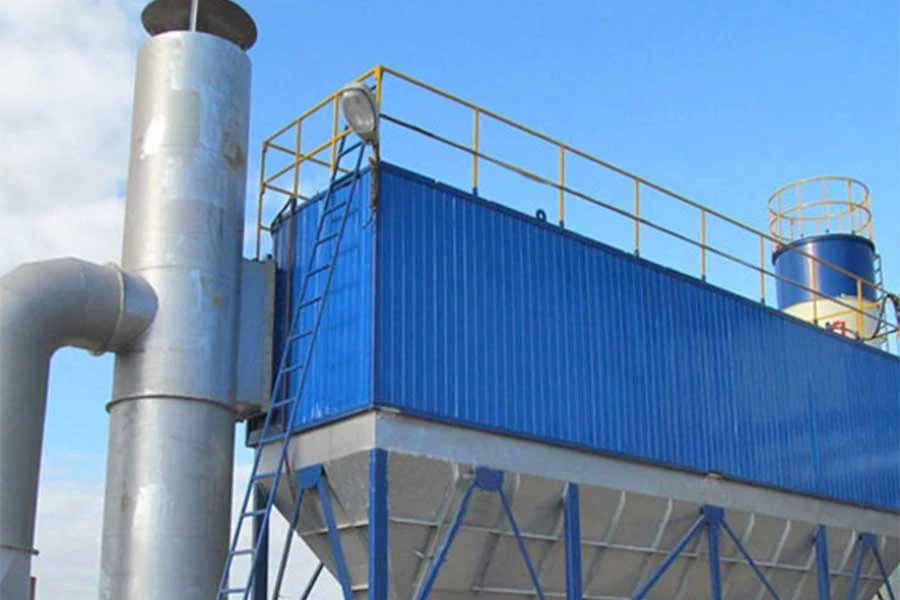
VIET WATER JOINT STOCK COMPANY (VIET WATER JSC) specializes in consulting, designing, constructing, operating, and transferring technology for industrial aerosol dust collection and treatment systems. Our solutions are optimized to achieve high removal efficiency, stable operation, and cost-effective investment.
Viet Water provides:
- Industrial dust treatment consulting
- Dust collection and air pollution control system design
- Turnkey construction and installation
- Operation training and technology transfer
- System maintenance and upgrading services
24/7 Technical Support Hotline: (+84) 947 999 930 – (+84) 904 506 065
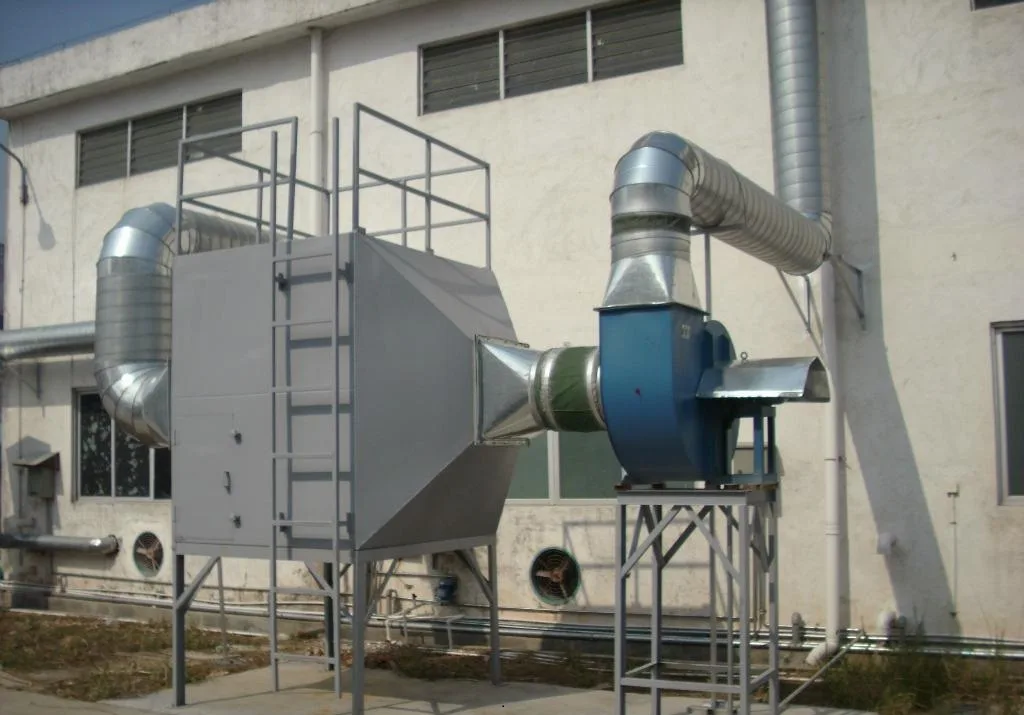
Industrial Demand for Aerosol Dust Treatment
Many industrial facilities require dust treatment systems for:
- Wood processing factories
- Cement plants
- Ceramic and tile factories
- Steel manufacturing plants
- Metallurgical industries
- Building material production facilities
- Crushing and screening operations
- Various dust-generating industrial processes
The primary objectives include:
- Ensuring workplace safety
- Complying with environmental regulations
- Recovering valuable materials
- Reducing operating costs
- Enhancing corporate environmental responsibility
What Is Aerosol Dust?
Aerosol refers to a suspension of solid particles or liquid droplets dispersed in a gaseous medium.
In air pollution control engineering, aerosols commonly consist of dust particles, smoke, or mist suspended in the air.
Aerosols are generated from:
- Crushing operations
- Material handling
- Cutting and grinding processes
- Combustion activities
- Chemical reactions
- Condensation processes
These particles remain airborne and must be effectively captured before being released into the environment.
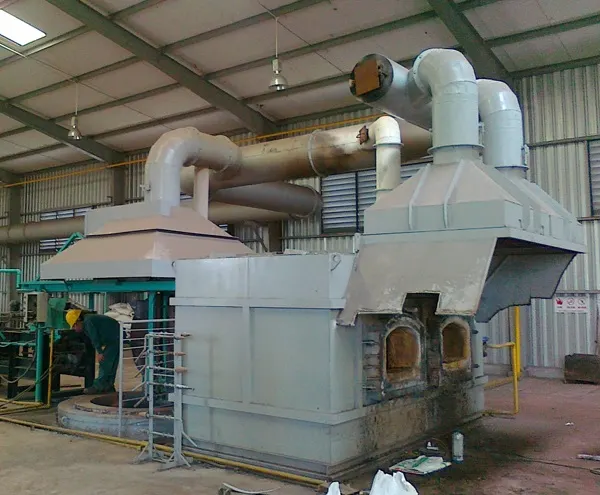
Aerosol Classification by Particle Size
Dust
- Particle size: 5 – 50 µm
- Solid particles
Smoke
- Particle size: 0.1 – 0.3 µm
- Extremely fine particles
Mist
- Particle size: 0.3 – 5 µm
- Liquid droplets suspended in air
Particle size distribution is one of the most important factors in selecting the appropriate dust control technology.
Industrial Aerosol Dust Treatment Technologies
Depending on dust characteristics, gas flow rate, and treatment requirements, Viet Water designs customized solutions utilizing one or multiple technologies.
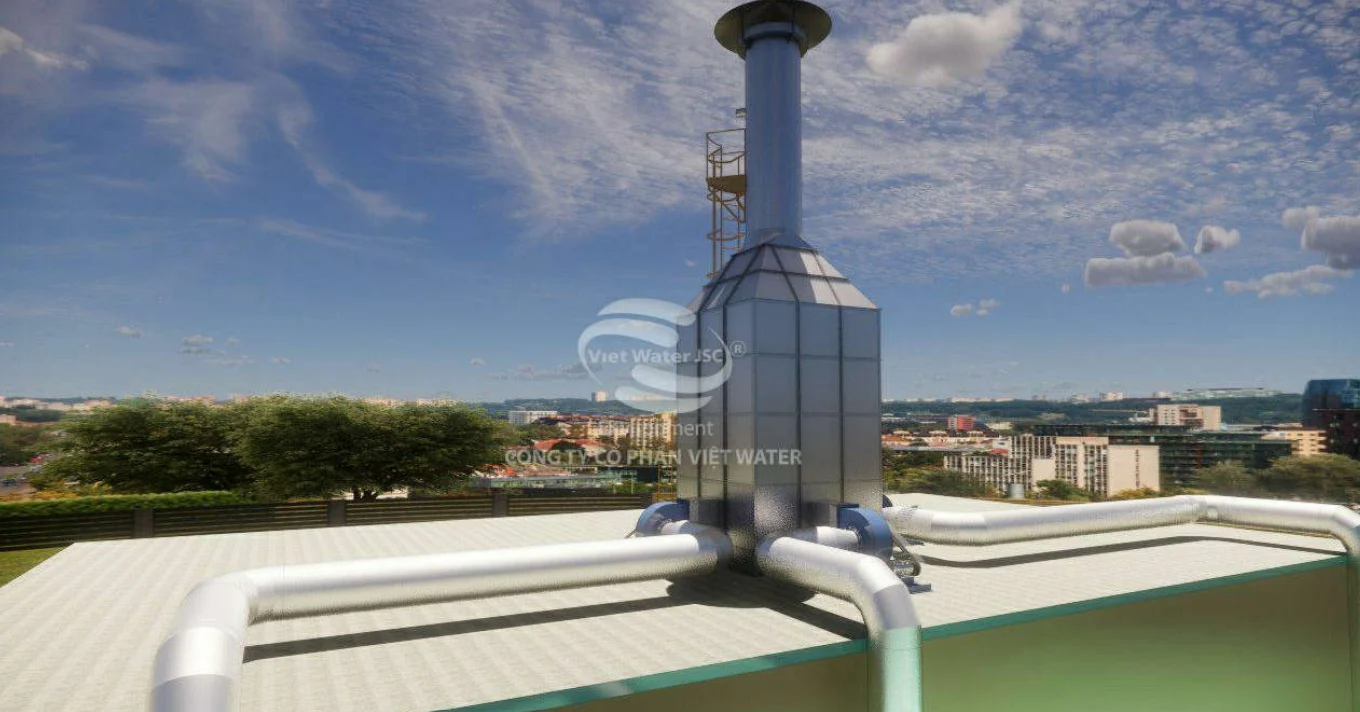
Dry Dust Collection Methods
Dry collection systems are widely applied in industries generating dry particulate matter.
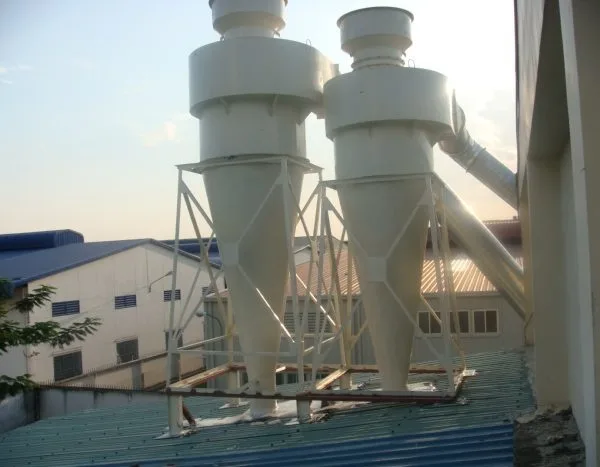
Cyclone Dust Collector
Cyclones operate based on centrifugal force.
Working Principle
As dust-laden air enters the cyclone:
- Centrifugal force pushes particles toward the wall
- Dust particles lose momentum
- Dust falls into the collection hopper
- Clean air exits through the outlet
Applications
Suitable for:
- Wood dust
- Cement dust
- Ceramic dust
- Steel dust
- Large particles
- Non-sticky dust
Advantages
- Low investment cost
- Simple construction
- Minimal maintenance
- Long service life
Gravity Settling Chamber
This system removes coarse particles through gravitational settling.
Applications
Suitable for:
- Coarse dust
- Large particles
- High dust concentrations
- Sticky dust
Advantages
- Low operating cost
- Simple operation
Inertial Separator with Baffle Plates
This equipment utilizes inertial separation principles.
Working Principle
When airflow changes direction abruptly:
- Dust particles collide with baffles
- Particles lose kinetic energy
- Dust settles into the collection chamber
Applications
- Heavy dust particles
- Sticky dust
- Large particle sizes
Fabric Filter (Baghouse Filter)
Bag filters are among the most efficient and widely used dust collection technologies.
Working Principle
Dust-laden air passes through filter bags:
- Dust particles are retained on the filter surface
- Clean air passes through the fabric
Advantages
- Very high collection efficiency
- Effective for fine particles
- Suitable for a wide range of dust types
Applications
- Wood processing
- Cement production
- Feed manufacturing
- Steel industry
- Chemical plants
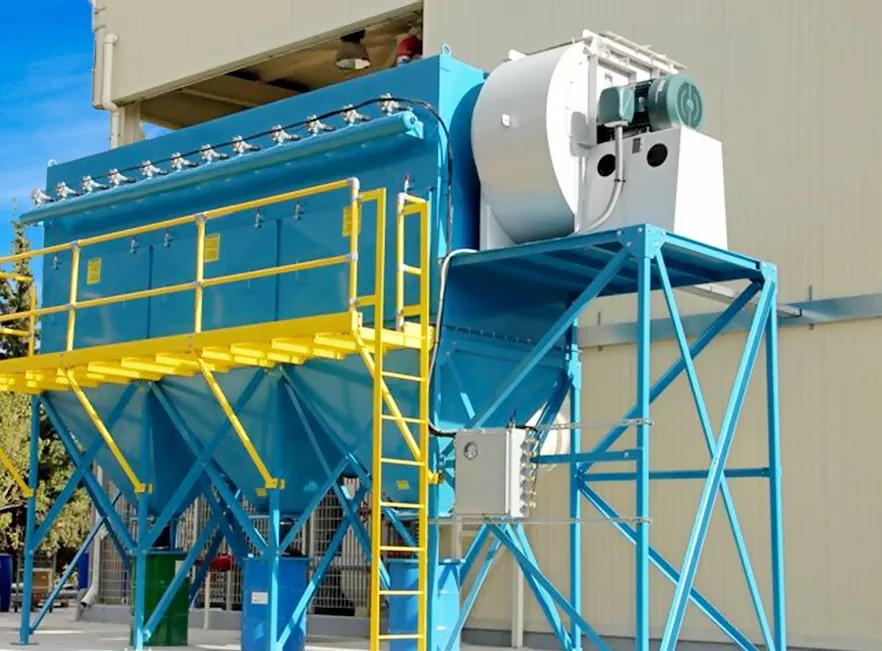
Wet Dust Scrubbing Systems
Wet scrubbers remove dust through direct contact between gas streams and liquid media.
Working Principle
Dust-laden air contacts water or absorbent liquids.
Dust particles:
- Become trapped in liquid droplets
- Form slurry or sludge
- Are collected and removed from the system
Advantages
- High dust removal efficiency
- Simultaneous gas absorption capability
- Cooling effect on hot exhaust gases
Applications
- Fine particulate matter
- High-temperature gas streams
- Chemical fumes
- Combined dust and gas pollutant treatment
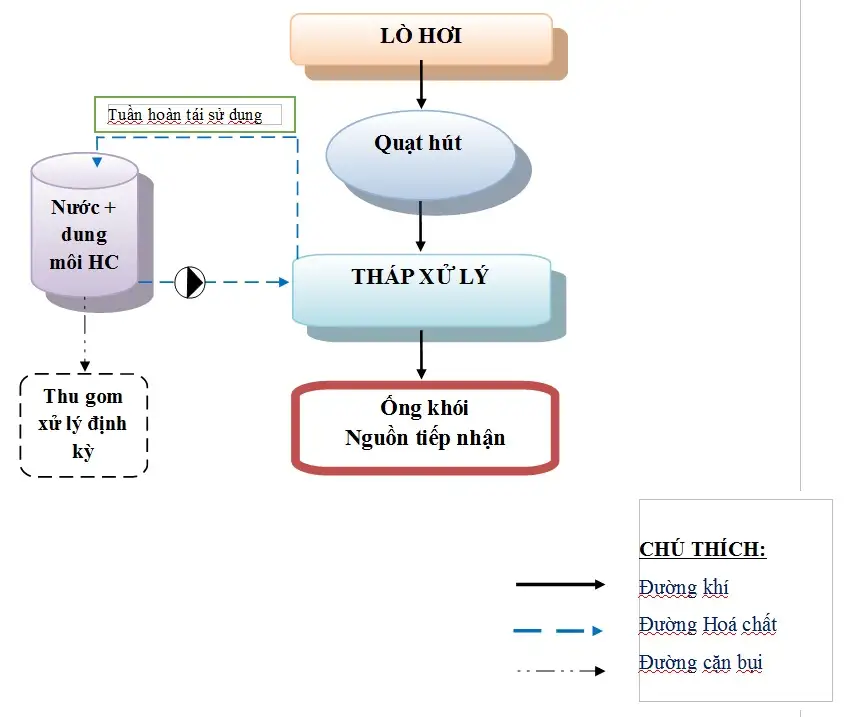
Electrostatic Precipitator (ESP)
ESP technology is one of the most advanced methods for fine particulate removal.
Working Principle
Dust-laden air passes through a high-voltage electric field.
Dust particles:
- Become electrically charged
- Migrate toward collection electrodes
- Adhere to electrode surfaces
- Fall into collection hoppers after discharge
Advantages
- Collection efficiency exceeding 99%
- Effective for ultra-fine particles
- Low pressure drop
- Suitable for large gas volumes
Applications
- Thermal power plants
- Cement factories
- Steel mills
- Chemical industries
- Valuable dust recovery systems
Key Factors in Technology Selection
Viet Water evaluates several parameters before selecting a treatment solution.
Dust Characteristics
Including:
- Particle size distribution
- Density
- Adhesiveness
- Dust concentration
Exhaust Gas Characteristics
Including:
- Airflow rate (m³/h)
- Temperature
- Humidity
Treatment Requirements
Including:
- Required removal efficiency
- Environmental compliance standards
- Dust recovery requirements
Based on these factors, Viet Water develops the most cost-effective and technically suitable solution.
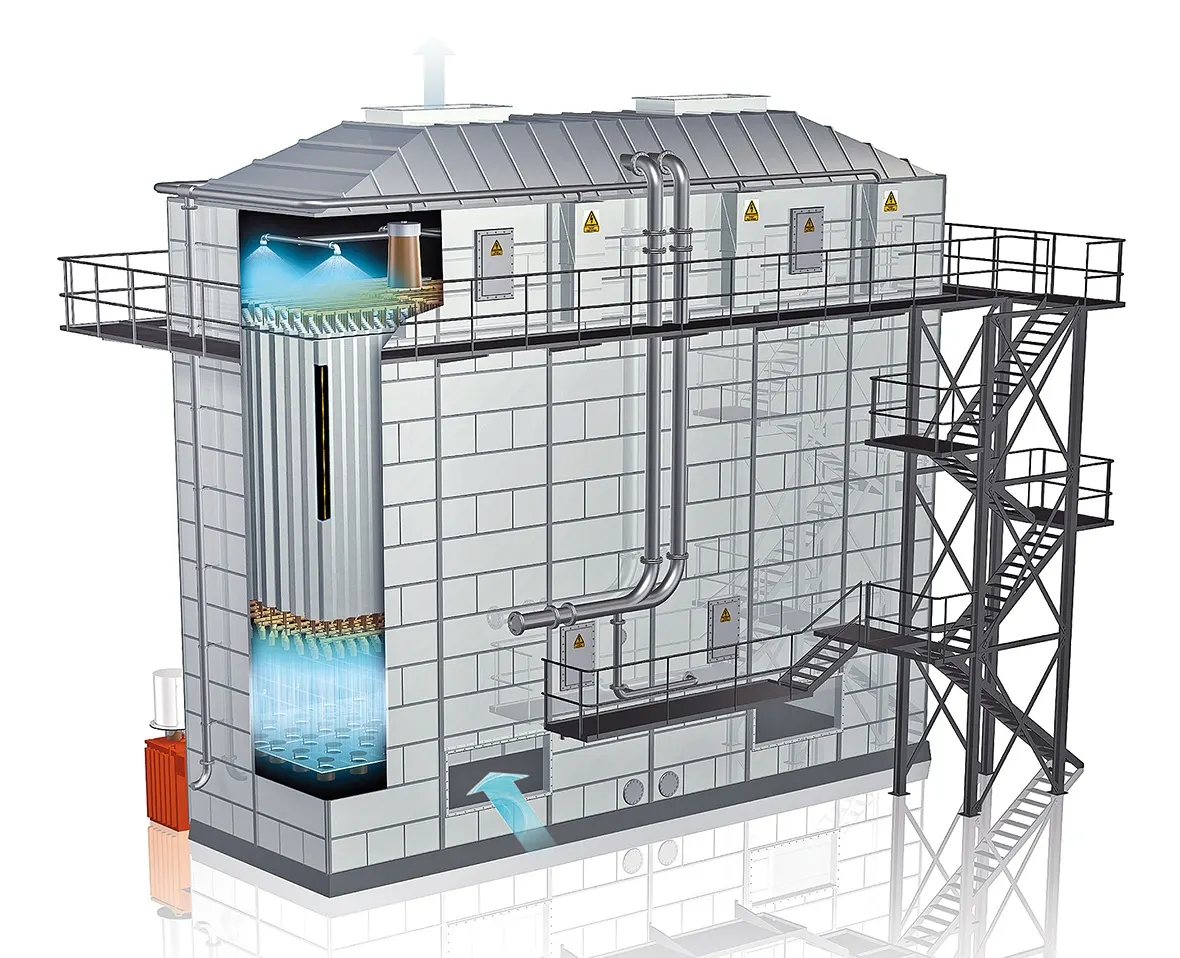
Viet Water Aerosol Dust Treatment Services
Site Survey and Consultation
- Dust source assessment
- Technology recommendation
- Environmental compliance review
Engineering Design
- Process flow diagrams
- Detailed engineering drawings
- Cost estimation
Construction and Installation
- Equipment fabrication
- System installation
- Testing and commissioning
Training and Technology Transfer
- Operation training
- Maintenance guidance
- Complete technology transferWhy Choose Viet Water?
- Experienced environmental engineering team
- Optimized system design
- Competitive investment costs
- High dust collection efficiency
- Stable and reliable operation
- Long-term technical support
- Comprehensive technology transfer
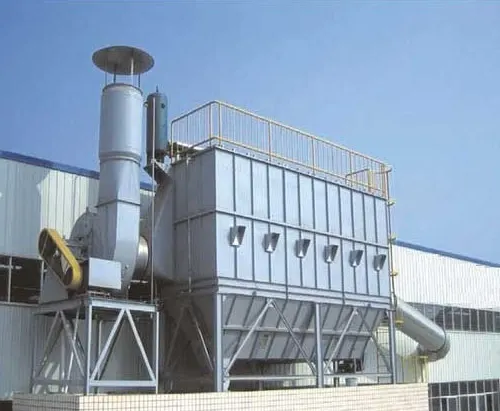
Contact Information
VIET WATER JOINT STOCK COMPANY
Address: 345 Pham Van Bach Street, Ward 15, Tan Binh District, Ho Chi Minh City, Vietnam
Email: Info@vietwaterjsc.com
Website: vietwaterjsc.com – www.moitruongvietwater.com
Hotline: (+84) 947 999 930 – (+84) 904 506 065