
Generator Exhaust Gas Treatment Solutions Meeting QCVN 19:2009/BTNMT Standards
Diesel generators are widely used in factories, industrial parks, hospitals, schools, commercial buildings, and residential complexes to ensure a stable backup power supply. However, generator operation produces exhaust gases containing particulate matter, carbon monoxide (CO), nitrogen oxides (NOx), sulfur oxides (SOx), and other pollutants that can negatively impact the environment and human health.

VIET WATER JOINT STOCK COMPANY (VIET WATER JSC) specializes in consulting, designing, constructing, and transferring technology for generator exhaust gas treatment systems. Our solutions are optimized for high treatment efficiency, low investment costs, stable operation, and full compliance with environmental regulations.
Viet Water provides:
-
Generator exhaust gas treatment consulting
-
Air pollution control system design
-
Equipment fabrication and installation
-
Turnkey construction services
-
Operation training and technology transfer
-
Maintenance and after-sales support
24/7 Technical Support Hotline: (+84) 947 999 930 – (+84) 904 506 065
The Need for Generator Exhaust Gas Treatment
As environmental regulations become increasingly stringent, controlling emissions from diesel generators has become a critical requirement for businesses.
The primary objectives include:
-
Compliance with environmental regulations
-
Meeting emission standards
-
Reducing hazardous air pollutants
-
Improving corporate environmental responsibility
-
Supporting ISO environmental management requirements
-
Protecting employee health and safety
This is especially important for:
-
Manufacturing plants
-
Industrial parks
-
Hospitals
-
Schools
-
Residential buildings
-
Commercial centers
where standby generators operate regularly.
Characteristics of Generator Exhaust Gas
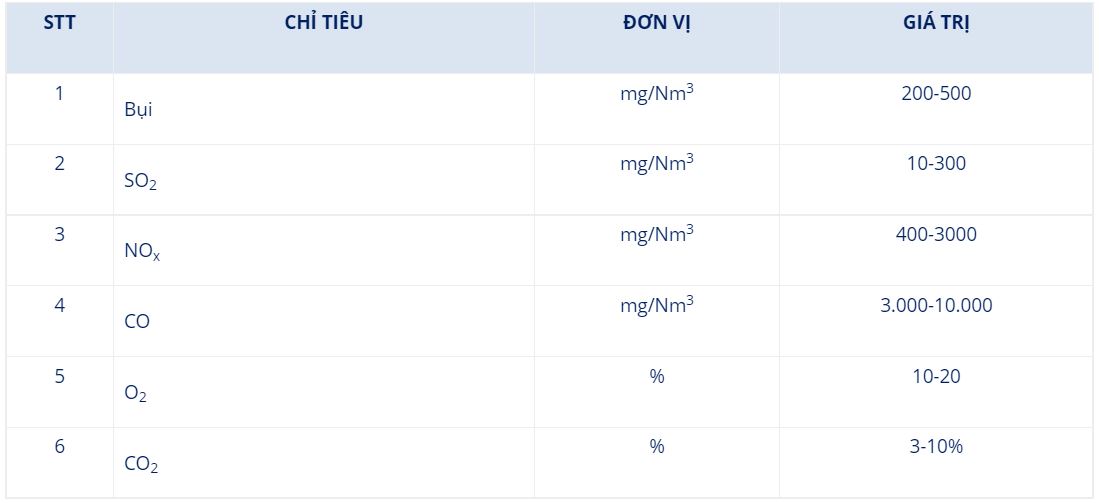
Most industrial generators use diesel fuel, producing exhaust gases that typically contain:
Carbon Monoxide (CO)
A toxic gas generated from incomplete combustion.
Nitrogen Oxides (NOx)
Formed under high-temperature combustion conditions.
Sulfur Oxides (SOx)
Generated from sulfur compounds present in diesel fuel.
Particulate Matter and Soot
Produced during fuel combustion and incomplete burning processes.
Volatile Organic Compounds (VOCs)
Organic pollutants that can affect air quality and public health.
Principles for Selecting Exhaust Gas Treatment Technology
Viet Water designs treatment systems based on the following criteria:
Cost-Effective Investment
Optimizing initial capital expenditure.
Low Operating Costs
Reducing energy consumption and maintenance expenses.
High Treatment Efficiency
Ensuring stable and reliable emission control performance.
Environmentally Friendly Technology
Minimizing secondary waste generation and environmental impact.
Regulatory Compliance
Ensuring treated emissions comply with:
QCVN 19:2009/BTNMT – National Technical Regulation on Industrial Emissions for Dust and Inorganic Substances.
Generator Exhaust Gas Treatment Technologies
Depending on generator capacity and treatment requirements, Viet Water may apply various technologies, including:
Exhaust Gas Filtration Systems
Designed to remove particulate matter and suspended pollutants from exhaust streams.
Oxidation Catalyst Systems
Catalytic oxidation converts harmful gases into less hazardous compounds while maintaining low operating costs.
Absorption Systems
Utilize specialized absorbent solutions to remove gaseous pollutants from exhaust emissions.

Viet Water Generator Exhaust Gas Treatment Technology
One of the most commonly applied solutions by Viet Water is:
Absorption Tower Combined with Industrial Exhaust Fan System
This technology is suitable for generators of various capacities and offers an optimal balance between treatment efficiency and operating cost.
System Operating Principle
Exhaust Gas Collection
Generator exhaust gases are collected through a dedicated ducting system and directed to the treatment unit.
Industrial Exhaust Fan
The exhaust fan provides sufficient airflow and pressure to:
-
Transport exhaust gases through the treatment system
-
Prevent gas accumulation and backpressure
-
Maintain stable generator operation
Absorption Tower
Inside the absorption tower:
-
Exhaust gases come into contact with absorbent solutions
-
Pollutants such as SOx, CO, and other contaminants are removed
-
Packing media increases the contact area between gas and absorbent
The absorbent solution is:
-
Collected in a storage tank
-
Recirculated for reuse
-
Automatically replenished when necessary
An emergency discharge line is also provided to ensure operational safety.
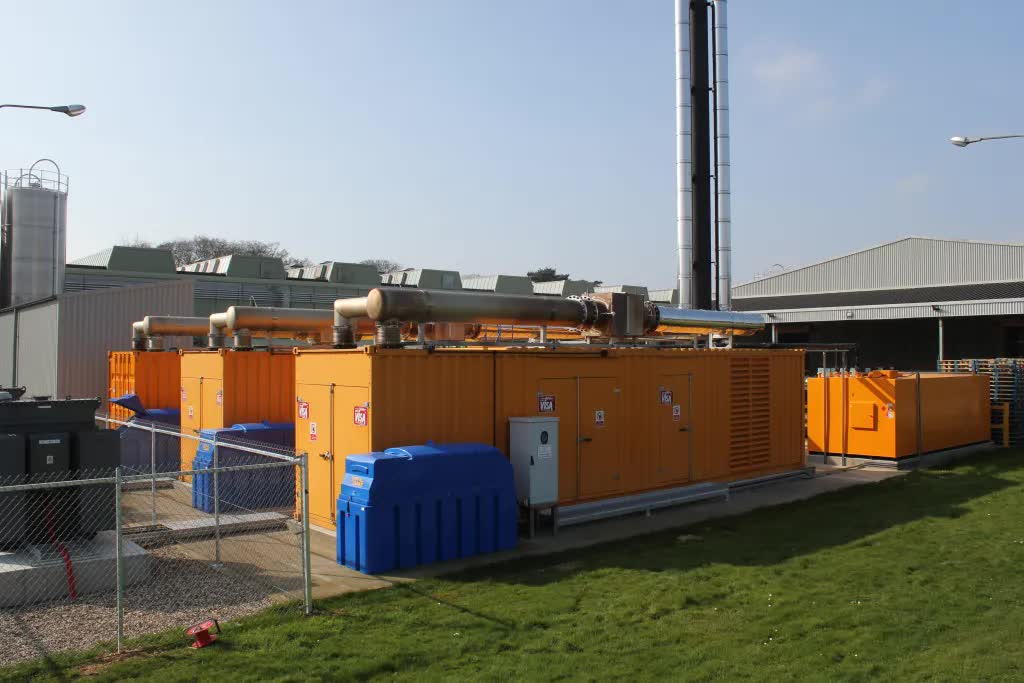
Advantages of Viet Water Technology
Reduced Initial Investment Cost
Customized design based on actual project requirements.
Lower Operating Expenses
Primary operating utilities include:
-
Water
-
Electricity
-
Absorbent solution
Stable Performance
Designed for continuous and long-term operation.
Easy Operation
User-friendly control systems simplify management and maintenance.
Flexible Installation
Suitable for various plant layouts and site conditions.
Project Implementation Schedule
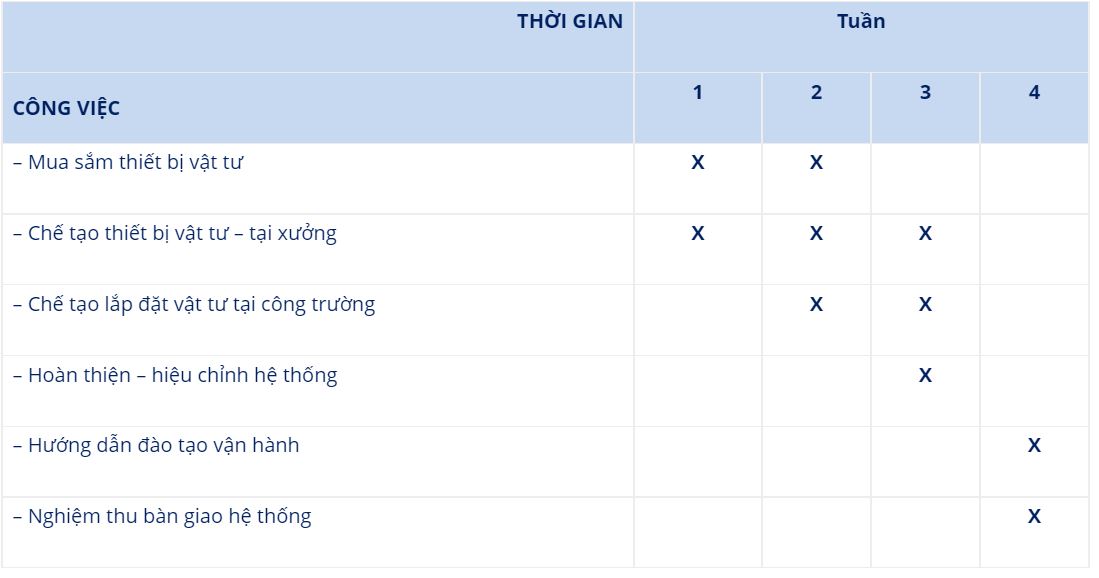
Viet Water follows a structured implementation plan to ensure quality and on-time project delivery.
Week 1 – Week 2
Equipment Procurement and Material Preparation
-
Equipment sourcing
-
Material inspection
-
Technical documentation preparation
Equipment Fabrication
-
Absorption tower manufacturing
-
Storage tank fabrication
-
Structural assembly
Week 2 – Week 3
On-Site Installation
-
Equipment installation
-
Process piping installation
-
Electrical and control system integration
Week 3
System Completion and Adjustment
-
Dry testing
-
Trial operation
-
Performance optimization
Week 4
Operation Training
-
Practical operation training
-
Troubleshooting guidance
-
Technical documentation handover
Final Acceptance and Handover
-
Performance verification
-
System acceptance testing
-
Technology transfer completion
Construction Methodology
Workshop Fabrication
The absorption tower is fabricated at Viet Water's workshop.
Estimated fabrication period: 10–15 days
Site Installation
Equipment and process piping are installed directly at the project location.
Estimated installation period: 7–10 days
Commissioning and Handover
The system undergoes inspection, adjustment, and performance testing before official handover.
Warranty and After-Sales Service Policy
Warranty Policy
-
System warranty exceeding 12 months
-
Free replacement of defective equipment caused by manufacturing defects
-
Complimentary spare parts support during the first six months
Technical Support
-
Unlimited operation guidance during the first year
-
Technical assistance upon request
-
Operational optimization consultation
Operation and Maintenance Policy
Operating Modes
The system supports two operating modes:
-
Automatic Mode
-
Manual Mode
Emergency Operation Capability
In the event of a system malfunction, exhaust gases can still pass through the system without blockage, ensuring safe and continuous operation.
Preventive Maintenance
-
Routine inspection every 60 days
-
Comprehensive system inspection every 6–12 months
-
Replacement of packing media and accessories as required
Why Choose Viet Water?
-
Experienced environmental engineering team
-
Customized solutions for each project
-
Competitive investment costs
-
High treatment efficiency
-
Compliance with QCVN 19:2009/BTNMT
-
Long-term technical support
-
Complete technology transfer services
Contact Information
VIET WATER JOINT STOCK COMPANY
Address: 345 Pham Van Bach Street, Ward 15, Tan Binh District, Ho Chi Minh City, Vietnam
Email: Info@vietwaterjsc.com
Website: vietwaterjsc.com – www.moitruongvietwater.com
Hotline: (+84) 947 999 930 – (+84) 904 506 065