Overview of Livestock Farm Wastewater Treatment
The livestock industry is rapidly expanding toward large-scale and industrialized farming. Along with this growth comes a significant increase in wastewater generation, which contains high concentrations of pollutants and poses serious environmental risks if not properly managed.
Untreated livestock wastewater can contaminate surface water, groundwater and surrounding ecosystems while generating unpleasant odors and creating public health concerns.
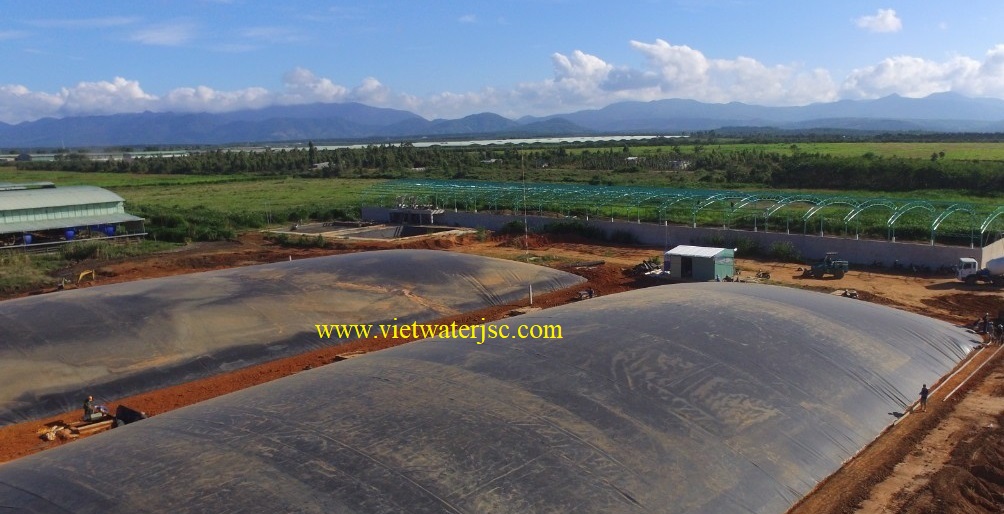
VIET WATER JOINT STOCK COMPANY (VIET WATER JSC) provides professional consulting, design, construction, operation and upgrading services for livestock wastewater treatment systems. Our advanced treatment technologies help farms comply with environmental regulations while minimizing operating costs.
Characteristics of Livestock Farm Wastewater
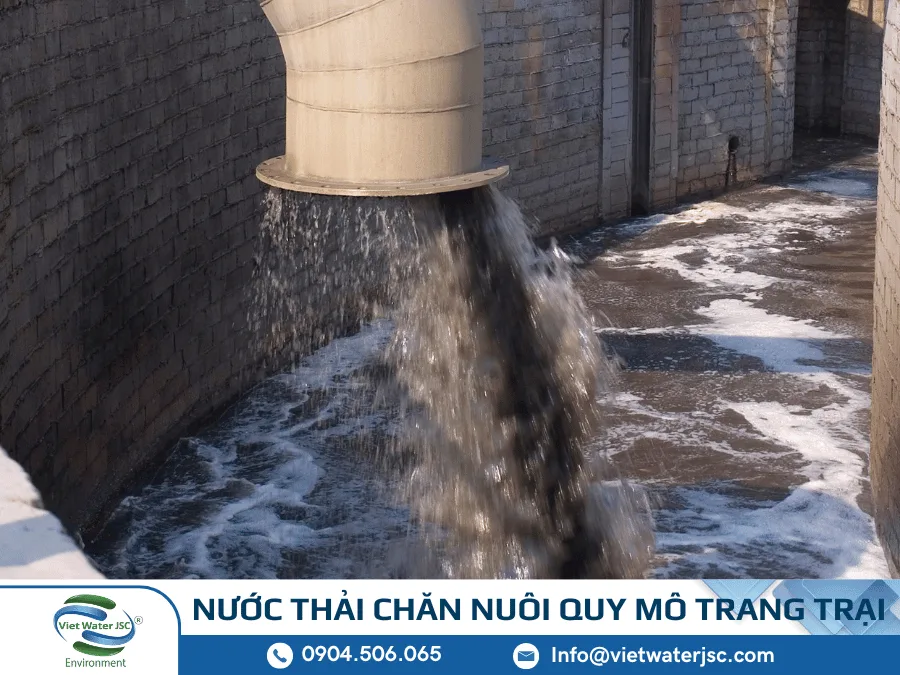
Wastewater generated from pig farms, cattle farms, poultry farms and other intensive livestock operations typically contains high levels of pollutants.
High Organic Content
The primary pollution sources include:
-
Animal manure
-
Urine
-
Residual feed
-
Organic decomposition products
These contaminants result in extremely high BOD and COD concentrations.
High Nitrogen and Phosphorus Content
Livestock wastewater contains significant amounts of:
-
Nitrogen (N)
-
Phosphorus (P)
If discharged without treatment, these nutrients can cause eutrophication in receiving water bodies.
Pathogenic Microorganisms
Wastewater may contain:
-
Bacteria
-
Viruses
-
Parasites
-
Disease-causing pathogens
Proper treatment is essential to prevent environmental contamination and disease transmission.
Potential Heavy Metal Contamination
Certain livestock feeds and additives may contribute residual heavy metals to wastewater streams.
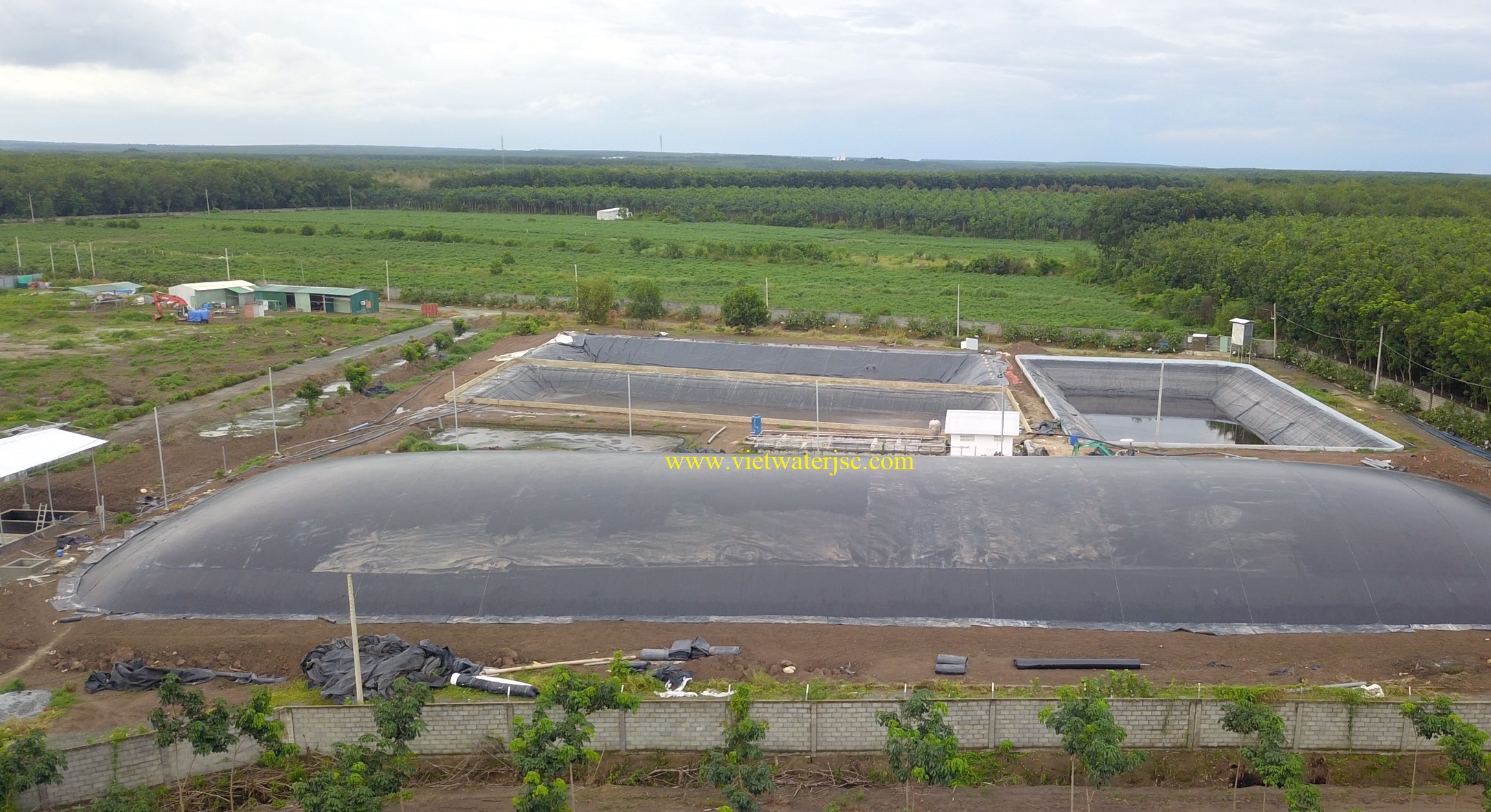
Environmental Impacts of Untreated Livestock Wastewater
Water Pollution
Untreated wastewater can infiltrate soil and contaminate rivers, lakes and groundwater resources.
Odor Generation
The decomposition of organic matter produces gases such as:
-
Hydrogen Sulfide (H₂S)
-
Ammonia (NH₃)
-
Methane (CH₄)
These gases create severe odor problems and negatively impact surrounding communities.
Public Health Risks
Pathogenic microorganisms can spread through contaminated water and air, posing risks to human and animal health.
Environmental Non-Compliance
Livestock farms that fail to treat wastewater properly may face environmental penalties and operational restrictions.
Livestock Wastewater Treatment Methods
Depending on wastewater characteristics and farm scale, Viet Water applies suitable treatment technologies to maximize efficiency.
Mechanical Treatment
Mechanical treatment serves as the preliminary stage of the treatment process.
Coarse Screening
Bar screens and screening systems remove:
-
Animal manure solids
-
Feed residues
-
Large suspended materials
Sedimentation Tanks
Sedimentation units separate:
-
Suspended solids
-
Organic sludge
-
Inorganic particles
from the wastewater stream before biological treatment.
Biological Treatment
Biological treatment is the primary process for livestock wastewater treatment.
Anaerobic Treatment
Technologies commonly applied include:
-
Biogas Digesters
-
UASB (Upflow Anaerobic Sludge Blanket) Reactors
Anaerobic microorganisms break down organic matter and produce methane-rich biogas.
Advantages
-
High BOD and COD removal efficiency
-
Reduced sludge generation
-
Renewable biogas energy recovery
Aerobic Treatment
Following anaerobic treatment, wastewater is treated using aerobic systems such as:
-
Aerotank
-
MBBR (Moving Bed Biofilm Reactor)
Aerobic microorganisms further degrade remaining organic pollutants.
Advantages
-
High treatment efficiency
-
Effective odor reduction
-
Stable effluent quality
Combined Anaerobic–Aerobic Technology
This integrated approach is widely applied by Viet Water for large-scale livestock farms.
Benefits
-
Enhanced treatment performance
-
Reduced energy consumption
-
Lower operating costs
-
Consistent compliance with discharge standards
Physicochemical Treatment
Physicochemical processes are used to improve final effluent quality.
Coagulation and Flocculation
Specialized chemicals are added to:
-
Aggregate fine particles
-
Form larger flocs
-
Improve sedimentation efficiency
Adsorption
Activated carbon and specialized adsorbents are used to:
-
Remove color
-
Reduce odors
-
Adsorb heavy metals
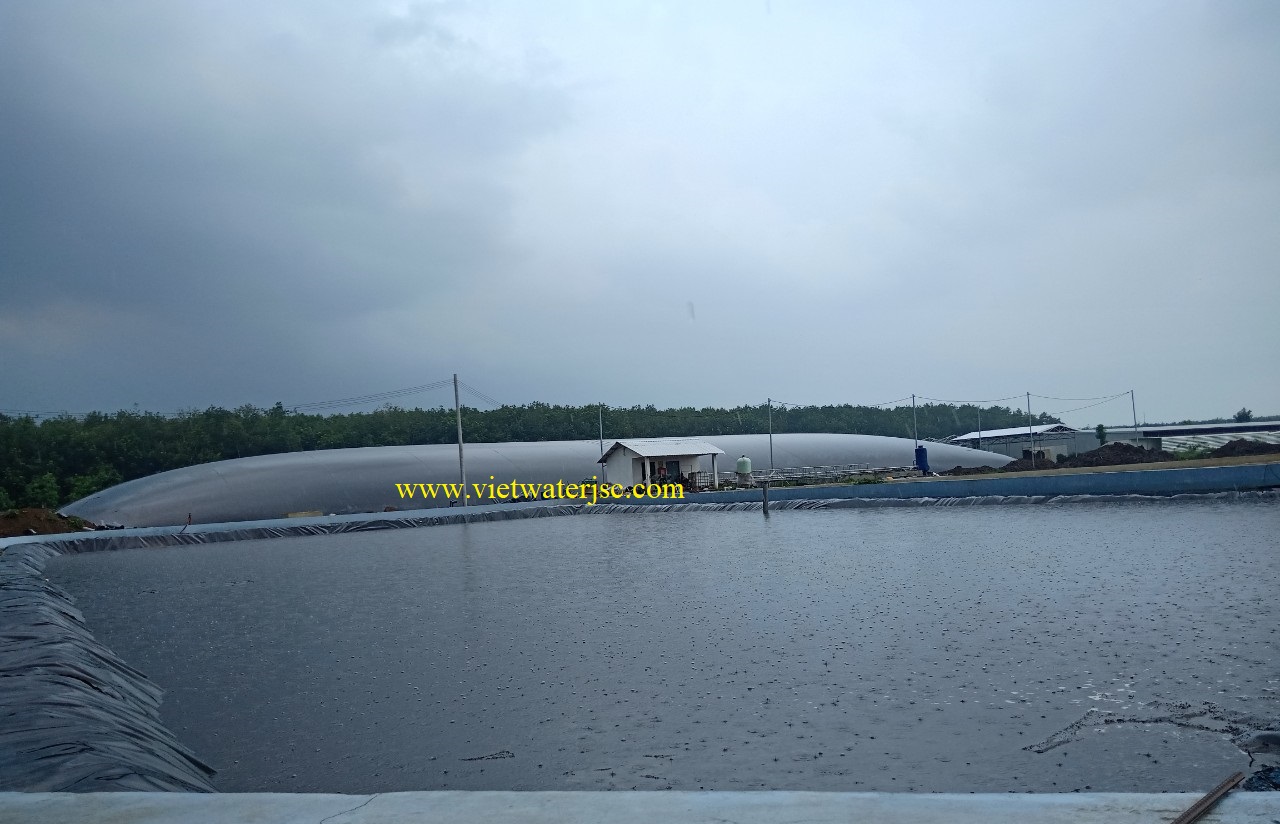
Viet Water's Livestock Wastewater Treatment Solutions
Viet Water provides advanced wastewater treatment solutions tailored to various livestock farming operations.
Integrated Anaerobic–Aerobic Treatment Systems
These systems maximize organic pollutant removal and reduce the load on downstream treatment processes.
Natural Microbial Technology
Specialized microbial cultures help:
-
Enhance treatment performance
-
Reduce chemical consumption
-
Improve process stability
Water Reuse Applications
Treated wastewater may be reused for:
-
Irrigation
-
Grass cultivation
-
Barn cleaning
-
Other auxiliary farm activities
Customized System Design
Each project is specifically designed to:
-
Match farm capacity
-
Address wastewater characteristics
-
Minimize capital investment
-
Reduce long-term operating costs
Advantages of Viet Water's Solutions
Compliance with Environmental Standards
Treatment systems are designed to meet:
QCVN 62-MT:2016/BTNMT – National Technical Regulation on Livestock Wastewater.
Effective Odor Control
Our solutions significantly reduce odor emissions and improve farm environmental conditions.
Groundwater Protection
Proper treatment prevents contamination of soil and groundwater resources.
Cost Optimization
Technology selection is customized according to actual farm requirements and investment budgets.
Long-Term Technical Support
Viet Water provides:
-
Operator training
-
Preventive maintenance
-
System upgrading
-
Ongoing technical assistance
Livestock Wastewater Treatment Services by Viet Water
Consulting and Engineering Design
-
Site assessment
-
Wastewater analysis
-
Technology selection
-
Detailed engineering design
Construction and Installation
-
Civil works construction
-
Equipment installation
-
System commissioning
-
Performance testing
Operation and Maintenance
-
Operator training
-
Process monitoring
-
Preventive maintenance services
System Upgrading and Expansion
-
Capacity upgrades
-
Technology modernization
-
Operating cost optimization
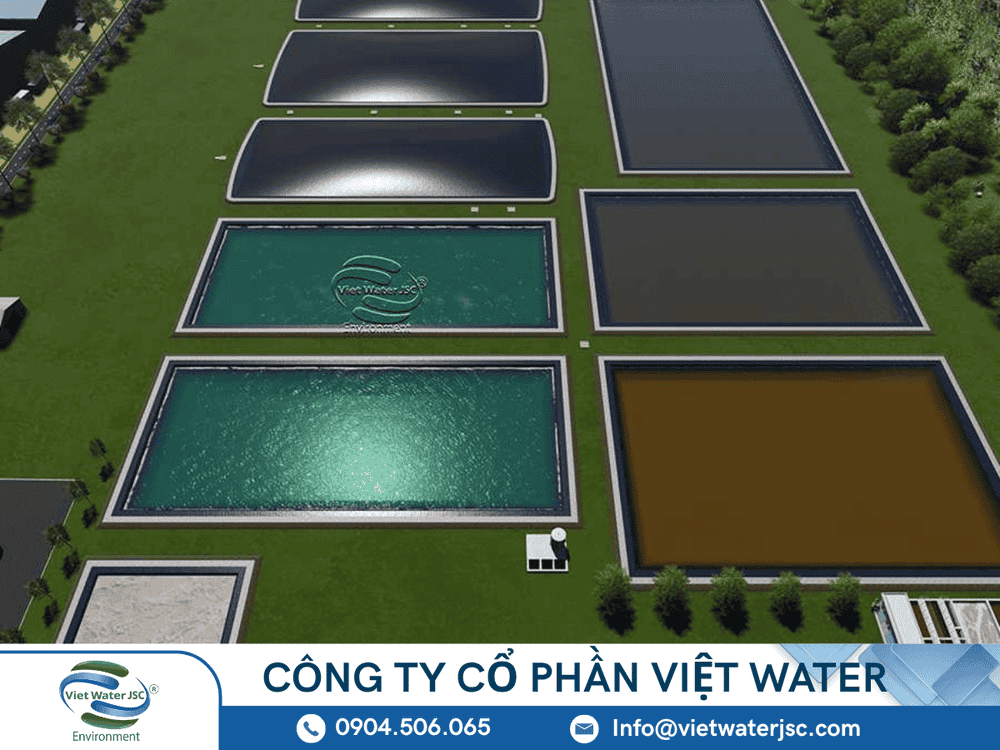
Contact Information
VIET WATER JOINT STOCK COMPANY
Address: 345 Pham Van Bach Street, Ward 15, Tan Binh District, Ho Chi Minh City, Vietnam
Email: Info@vietwaterjsc.com
Website: vietwaterjsc.com
Telephone: (+84) 28 6272 4888
Hotline: (+84) 904 506 065
Viet Water – Your Trusted Partner for Livestock Wastewater Treatment
With an experienced engineering team and advanced treatment technologies, Viet Water is committed to delivering efficient, cost-effective and environmentally compliant wastewater treatment solutions for modern livestock farming operations.