
Overview of Food Processing Wastewater Treatment
The food processing industry generates significant volumes of wastewater containing high concentrations of organic pollutants. Wastewater is produced during raw material washing, food preparation, processing operations, equipment cleaning and facility sanitation activities. Without proper treatment, this wastewater can cause severe environmental pollution and lead to non-compliance with environmental regulations.
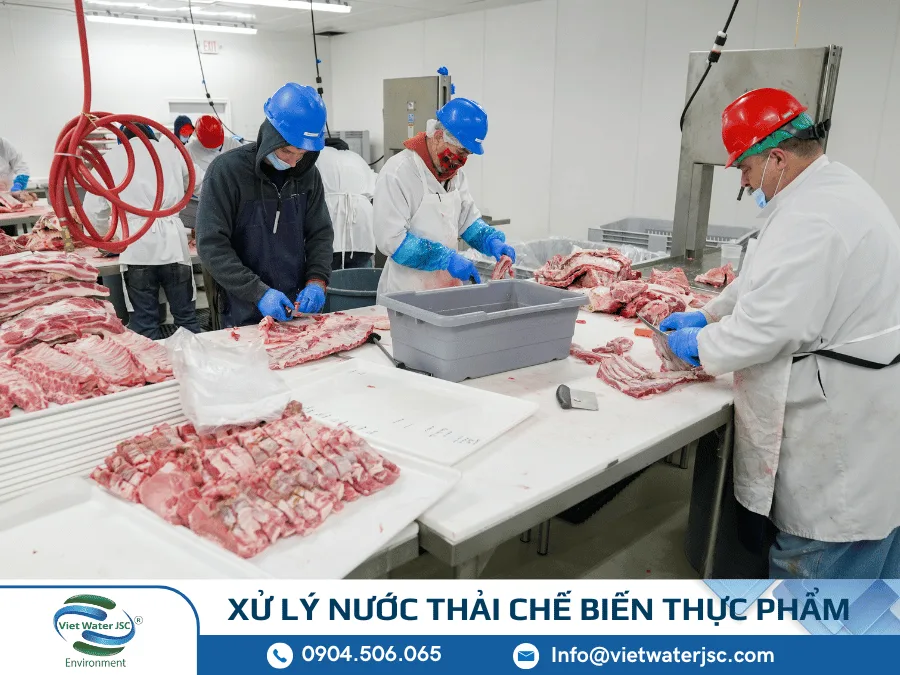
VIET WATER JOINT STOCK COMPANY (VIET WATER JSC) provides professional consulting, design, construction, operation and maintenance services for food processing wastewater treatment systems. Our advanced treatment technologies are designed to optimize treatment efficiency while minimizing investment and operating costs.
Characteristics of Food Processing Wastewater
Food processing wastewater possesses several unique characteristics that require specialized treatment solutions.
High BOD and COD Concentrations
Wastewater contains large amounts of biodegradable organic matter, including:
-
Sugars
-
Starch
-
Proteins
-
Animal and vegetable oils
-
Organic residues from food processing
As a result, Biological Oxygen Demand (BOD) and Chemical Oxygen Demand (COD) levels are typically much higher than those found in domestic wastewater.
Odor Generation
Organic compounds decompose naturally, producing odor-causing gases such as:
-
Hydrogen Sulfide (H₂S)
-
Ammonia (NH₃)
-
Methane (CH₄)
These odors can negatively affect workplace conditions and surrounding communities.
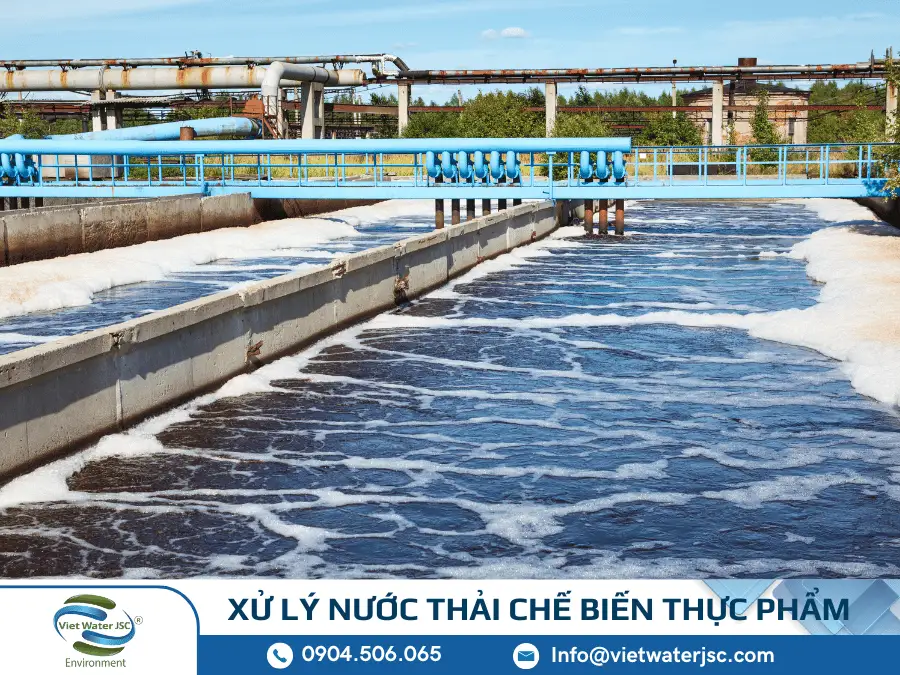
Presence of Pathogenic Microorganisms
Wastewater may contain:
-
Bacteria
-
Viruses
-
Yeasts
-
Disease-causing microorganisms
Proper treatment is essential to prevent environmental contamination and public health risks.
High Suspended Solids Content
Wastewater often contains:
-
Food particles
-
Raw material residues
-
Organic suspended solids
These contaminants can clog pipelines and reduce treatment efficiency if not removed during preliminary treatment.
Why Is Food Processing Wastewater Treatment Necessary?
Environmental Compliance
Food processing facilities are required to treat wastewater to meet environmental discharge standards before releasing it into the environment.
Protection of Water Resources
Effective treatment prevents contamination of rivers, lakes, canals and groundwater sources.
Odor Control and Improved Working Environment
Treatment systems help reduce odor emissions and create a cleaner production environment.
Enhanced Corporate Reputation
Environmental responsibility strengthens a company's image among customers, partners and regulatory authorities.
Sustainable Manufacturing
Wastewater treatment supports sustainable production practices and environmental stewardship.
Food Processing Wastewater Treatment Process
At Viet Water, wastewater treatment systems are designed using integrated and customized treatment processes tailored to each production facility.
Screening and Grease Removal
This is the primary pretreatment stage.
Functions
-
Removal of coarse solids
-
Removal of floating oils and grease
-
Protection of downstream equipment
Benefits
-
Prevents pipeline blockage
-
Protects pumps and mechanical equipment
-
Improves overall treatment efficiency
Equalization Tank
The equalization tank performs the following functions:
-
Stabilizes wastewater flow rate
-
Balances pollutant concentrations
-
Prevents shock loading in biological treatment processes
The tank is typically equipped with aeration or mixing systems to maintain homogeneous conditions.
Coagulation – Flocculation – Sedimentation
Treatment Principle
Chemical coagulants and flocculants are added to wastewater to:
-
Destabilize suspended particles
-
Form larger flocs
-
Facilitate sedimentation
Treatment Performance
-
Reduction of TSS
-
Partial COD reduction
-
Oil and grease removal
Biological Treatment
Biological treatment is the core process of food processing wastewater treatment systems.
Aerotank Process
Aerobic microorganisms break down dissolved organic pollutants.
MBBR Technology
Moving Bed Biofilm Reactor technology uses carrier media to increase biomass concentration and treatment efficiency.
SBR Technology
Sequencing Batch Reactor combines multiple treatment stages within a single reactor, reducing plant footprint.
Depending on wastewater characteristics and treatment requirements, Viet Water selects the most suitable biological treatment technology to optimize performance and operating costs.
Filtration and Disinfection
After biological treatment, wastewater undergoes polishing and disinfection processes.
Chlorination
Eliminates harmful bacteria and pathogens.
UV Disinfection
Provides effective disinfection without chemical addition.
Sludge Treatment
Sludge generated during wastewater treatment is:
-
Collected
-
Thickened
-
Dewatered using sludge dewatering equipment
This reduces sludge volume and facilitates transportation and disposal in accordance with environmental regulations.
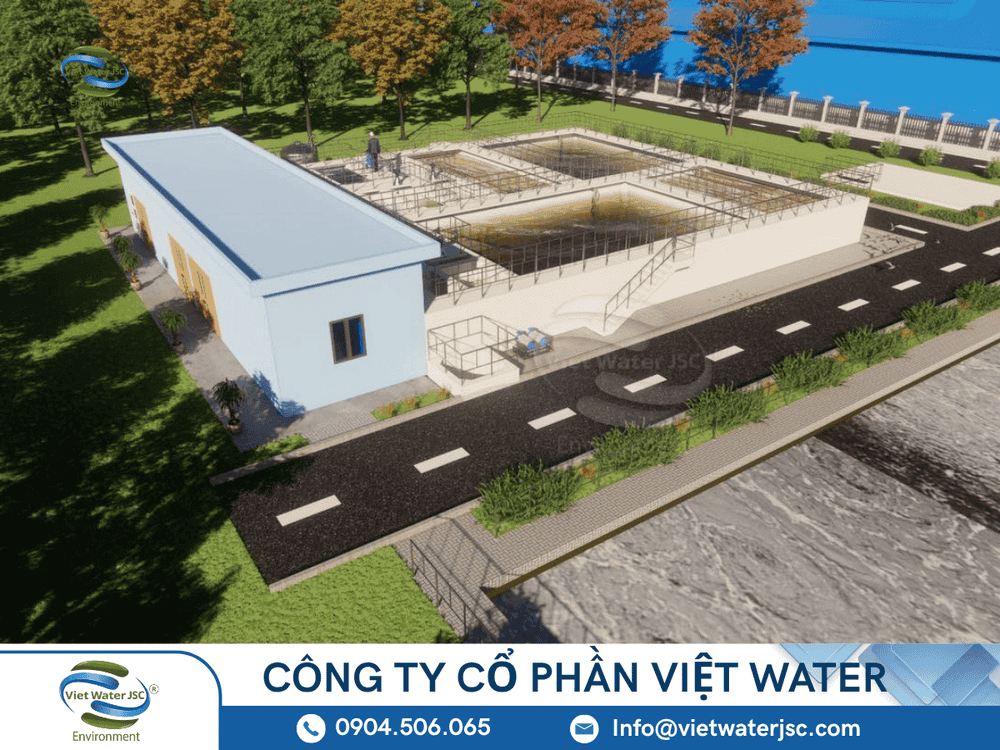
Advanced Technologies Applied by Viet Water
MBBR Technology
Advantages:
-
High treatment efficiency
-
Stable operation
-
Compact design
SBR Technology
Advantages:
-
High automation level
-
Cost-effective investment
-
Flexible capacity expansion
MBR Technology
Advantages:
-
Superior effluent quality
-
Suitable for water reuse applications
-
Reduced treatment footprint
Selected Reference Projects
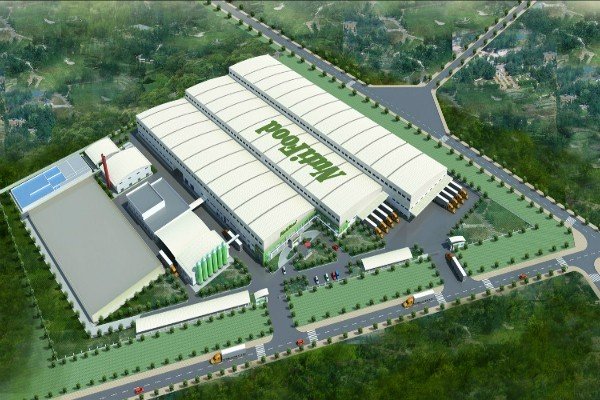
Food Processing Wastewater Treatment Plant – Binh Duong Province
-
Capacity: 150 m³/day
-
Physicochemical and biological treatment system
-
Effluent compliant with environmental standards
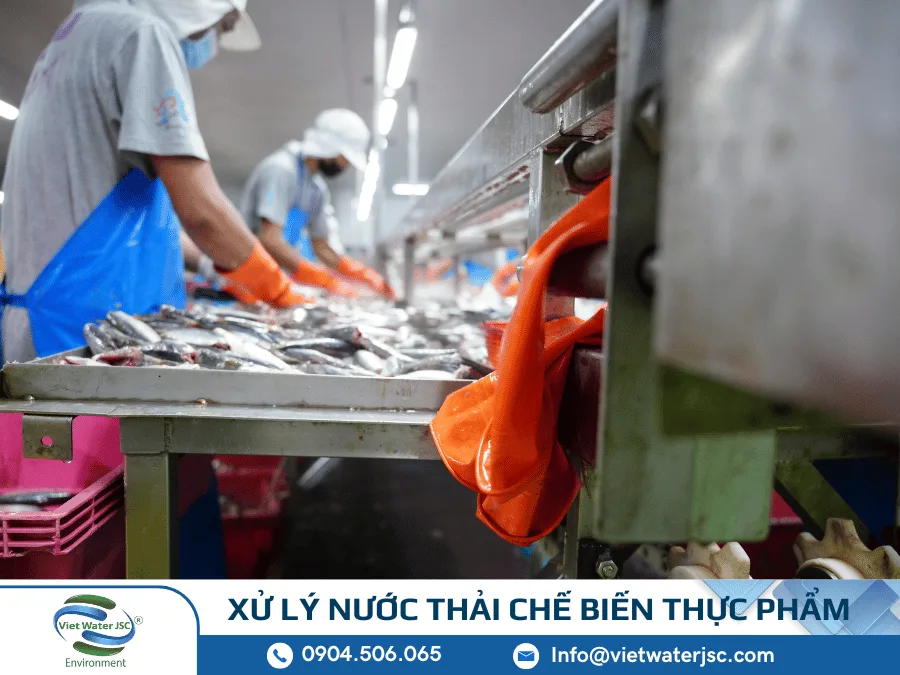
Seafood Processing Factory – Can Tho City
-
Advanced SBR technology
-
High BOD and COD removal efficiency
-
Stable and reliable operation
Canned Food Manufacturing Plant – Ho Chi Minh City
-
Integrated wastewater treatment system
-
Effluent meeting Class A discharge standards
-
Optimized operating costs
Viet Water Services for Food Processing Wastewater Treatment
Consulting and Engineering Design
-
Site survey and assessment
-
Wastewater analysis
-
Process development
-
Detailed engineering design
Construction and Installation
-
Civil works construction
-
Equipment installation
-
System commissioning
-
Performance testing
Operation and Maintenance
-
Operator training
-
Preventive maintenance
-
Effluent monitoring
-
Process optimization
System Upgrading and Expansion
-
Capacity enhancement
-
Equipment replacement
-
Technology upgrades
-
Operating cost reduction
Why Choose Viet Water?
Experienced Engineering Team
Our specialists possess extensive expertise in industrial wastewater treatment technologies.
Advanced Treatment Technologies
We apply state-of-the-art technologies including:
-
MBBR
-
SBR
-
MBR
-
UF
-
RO
Turnkey Solutions
Comprehensive services from consulting and design to construction, operation and technology transfer.
Cost Optimization
Customized solutions designed to match wastewater characteristics and client budgets.
Contact Information
VIET WATER JOINT STOCK COMPANY
Address: 345 Pham Van Bach Street, Ward 15, Tan Binh District, Ho Chi Minh City, Vietnam
Email: Info@vietwaterjsc.com
Website: vietwaterjsc.com
Telephone: (+84) 28 6272 4888 - www.vwt.vn
Hotline: (+84) 904 506 065
Viet Water – Your Trusted Food Processing Wastewater Treatment Partner
We are committed to delivering efficient, reliable and sustainable wastewater treatment solutions for food processing industries, helping businesses achieve environmental compliance, reduce operating costs and support long-term sustainable growth.