
Overview of Medical and Hospital Wastewater Treatment
Medical wastewater is one of the most sensitive and potentially hazardous wastewater streams due to the presence of pathogenic microorganisms, pharmaceutical residues, disinfectants, chemicals and organic pollutants. Without proper treatment, medical wastewater can contaminate water resources, threaten public health and negatively impact the environment.
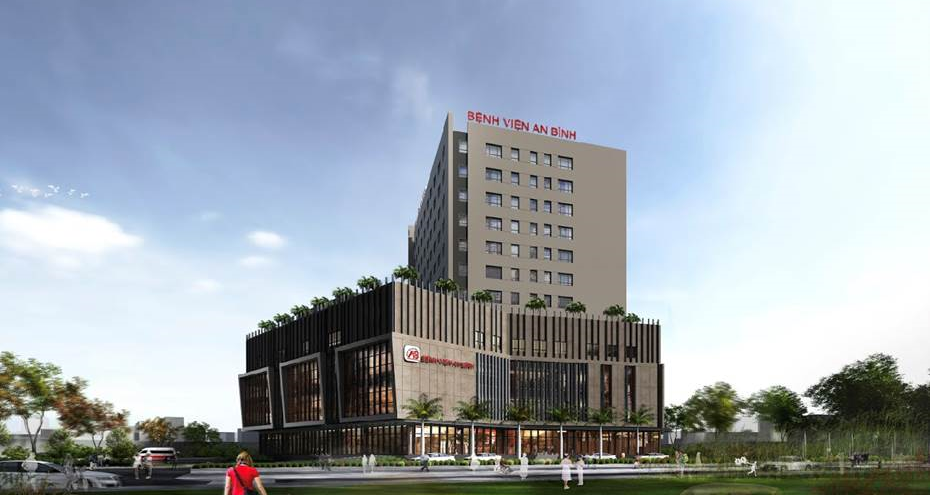
VIET WATER JOINT STOCK COMPANY (VIET WATER JSC) specializes in consulting, designing, constructing, operating and upgrading wastewater treatment systems for hospitals, clinics, healthcare centers and medical facilities. Our advanced technologies, including AAO, MBR, MBBR and modern disinfection systems, ensure compliance with QCVN 28:2010/BTNMT – Column A.
Sources of Medical Wastewater
Medical wastewater originates from various healthcare activities and departments.
Medical Examination and Treatment Areas
Including:
- General clinics
- Inpatient wards
- Emergency departments
- Laboratory facilities
These wastewater streams often contain pathogens and pharmaceutical residues.
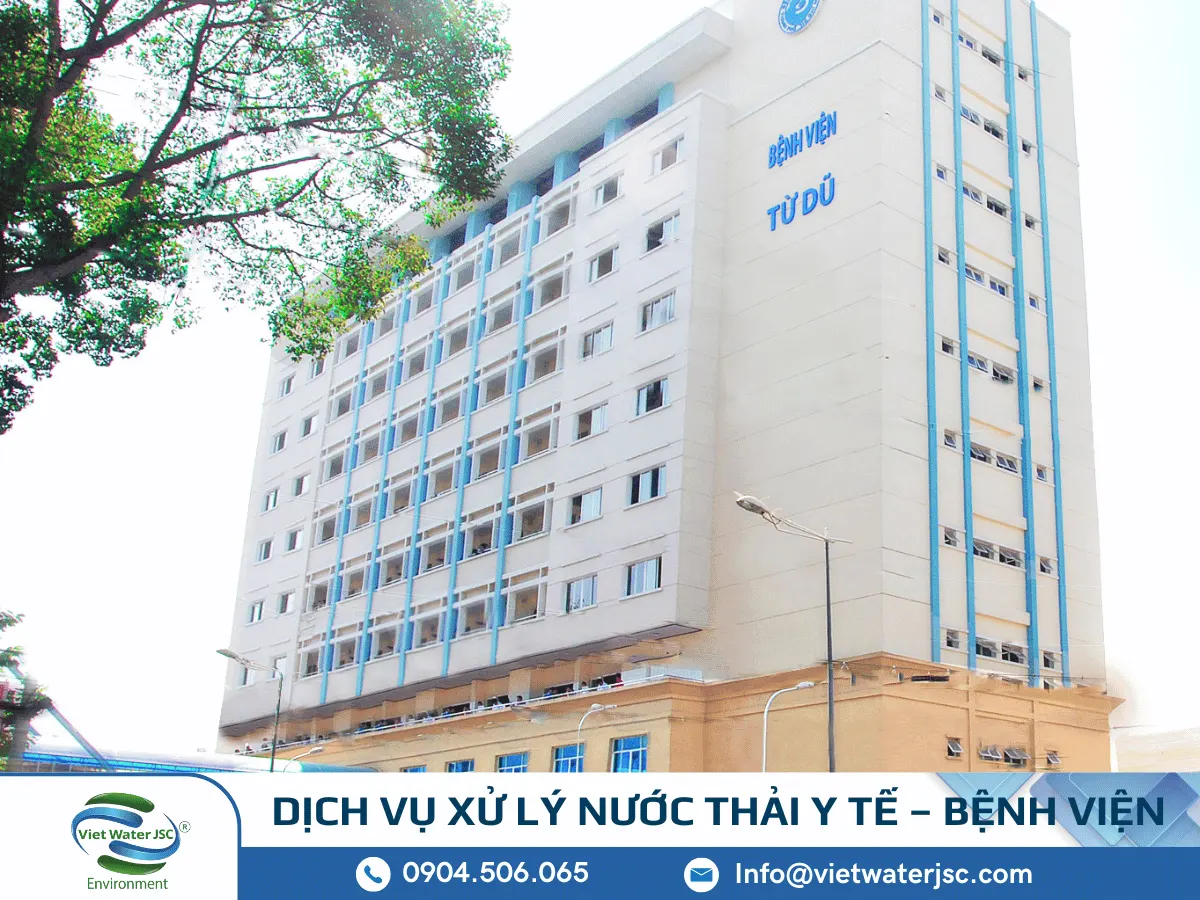
Surgical and Specialized Treatment Areas
Generated from:
- Operating rooms
- Intensive care units (ICU)
- Infectious disease departments
Containing potentially hazardous biological contaminants.
Medical Equipment Sterilization Areas
Wastewater may contain:
- Disinfectants
- Cleaning agents
- Sterilization chemicals
Sanitary Facilities
Including:
- Toilets
- Urine and fecal waste collection systems
Characterized by high concentrations of organic matter and microorganisms.
Kitchens and Cafeterias
Wastewater generated from:
- Food preparation
- Dishwashing
- Oil and grease discharge
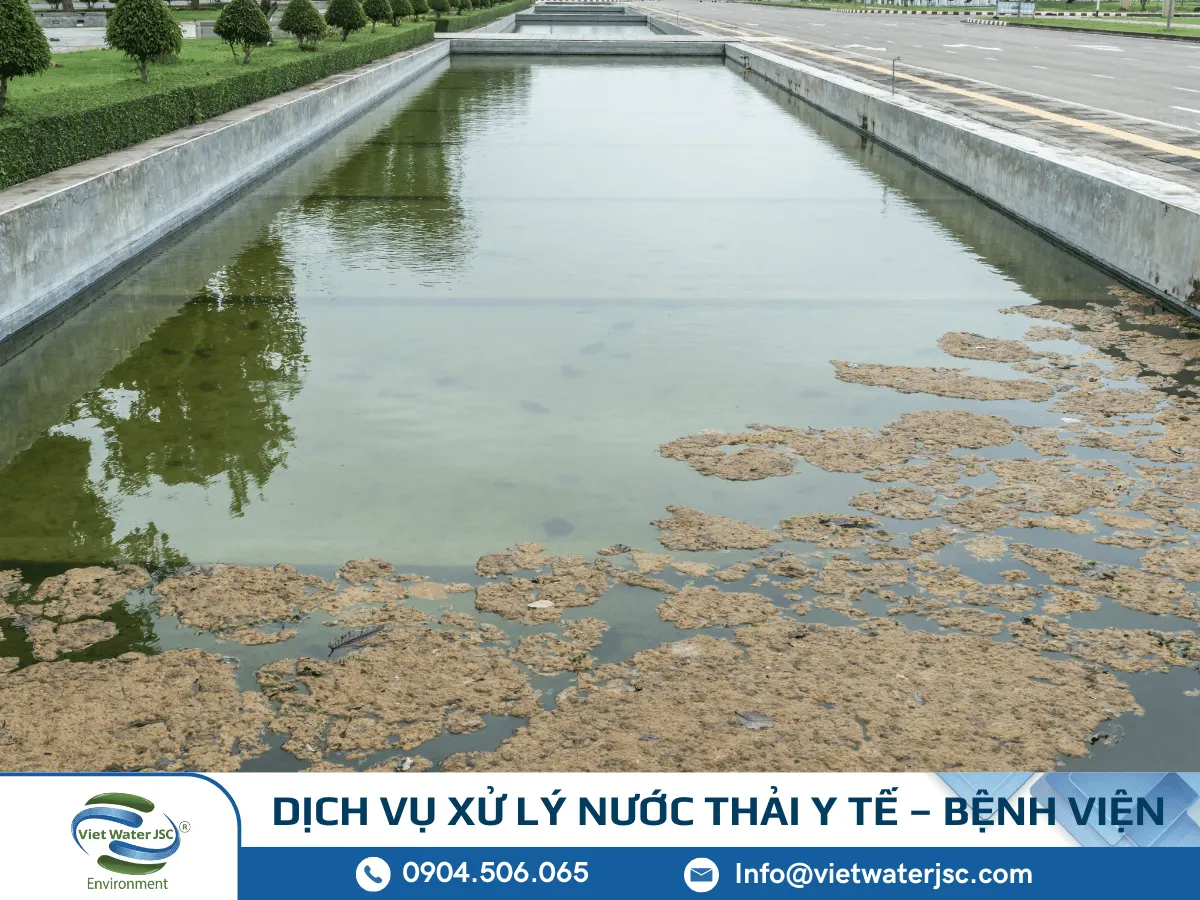
Characteristics of Medical Wastewater
Medical wastewater differs significantly from ordinary domestic wastewater.
Pathogenic Microorganisms
Including:
- Bacteria
- Viruses
- Fungi
- Parasites
High Organic Content
Typically represented by:
- BOD (Biochemical Oxygen Demand)
- COD (Chemical Oxygen Demand)
- TSS (Total Suspended Solids)
Pharmaceutical and Chemical Residues
Such as:
- Antibiotics
- Medical drugs
- Laboratory chemicals
- Disinfectants
Nutrients
Including:
- Nitrogen (N)
- Phosphorus (P)
Which may contribute to eutrophication if discharged untreated.

Viet Water Medical Wastewater Treatment Process
The medical wastewater treatment system developed by Viet Water utilizes advanced biological treatment combined with MBR (Membrane Bioreactor) technology.
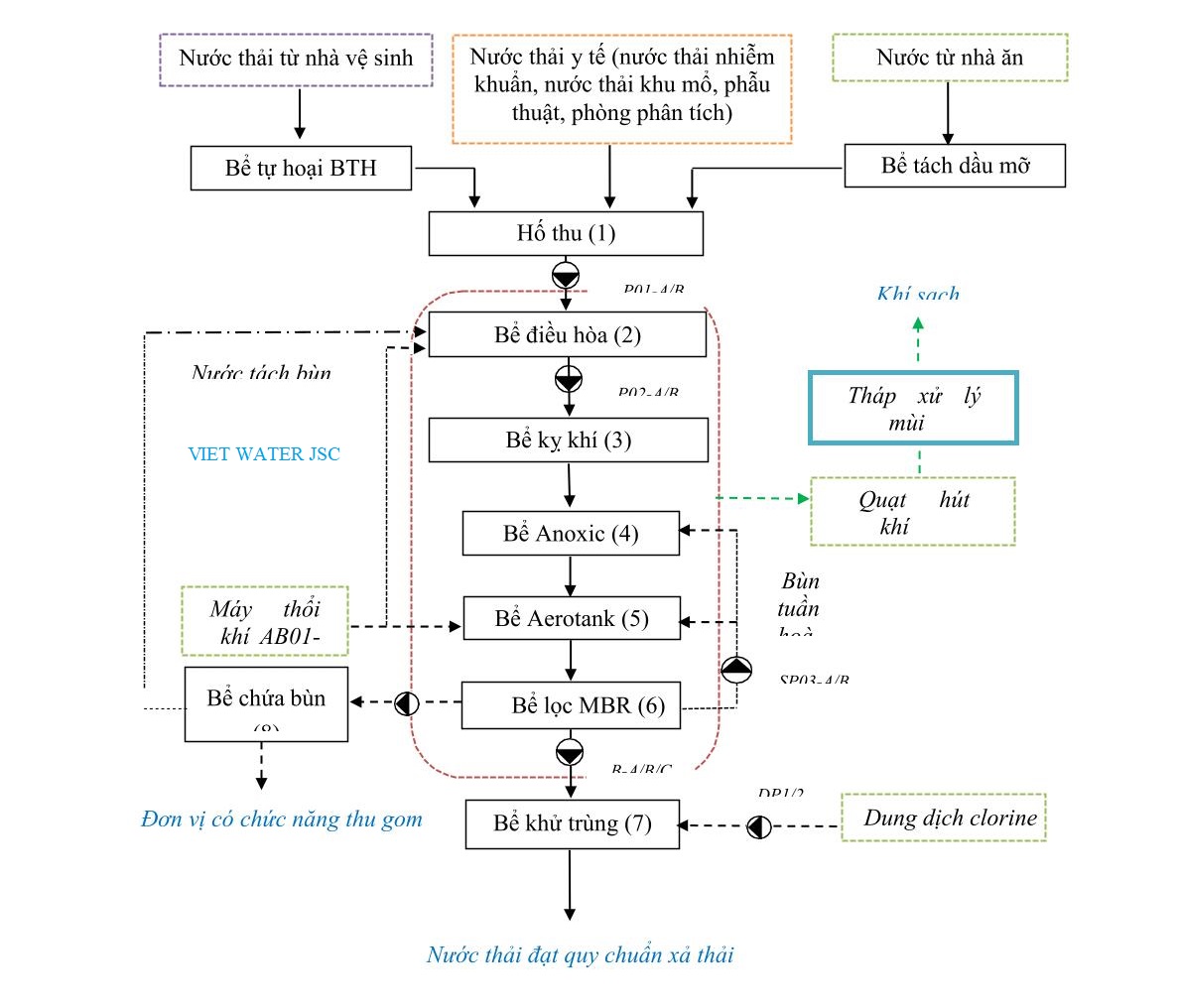
Wastewater Collection
Wastewater from:
- Restrooms
- Medical examination areas
- Laboratories
- Surgical rooms
- Kitchens
is collected and conveyed to a centralized collection pit.
Equalization Tank
Functions
- Flow equalization
- Pollutant concentration balancing
- pH stabilization
When necessary, chemicals are automatically dosed using pH sensors and metering pumps to maintain optimal biological treatment conditions.
The wastewater is then pumped to the biological treatment units.
Anaerobic Tank
This unit performs preliminary degradation of high-strength organic pollutants.
Benefits
- Reduces organic loading
- Saves energy
- Minimizes sludge production
Anoxic Tank
The anoxic tank facilitates the denitrification process.
Functions
- Nitrogen removal
- Prevention of eutrophication
Aerotank
Continuous aeration supports the growth of aerobic microorganisms.
Treatment Performance
Efficient removal of:
- COD
- BOD
- Ammonia
The treatment efficiency for COD and BOD typically reaches 92–98%.
Dissolved Oxygen (DO)
DO concentration is maintained at:
1.5 – 2.0 mg/L
to ensure optimal microbial activity.
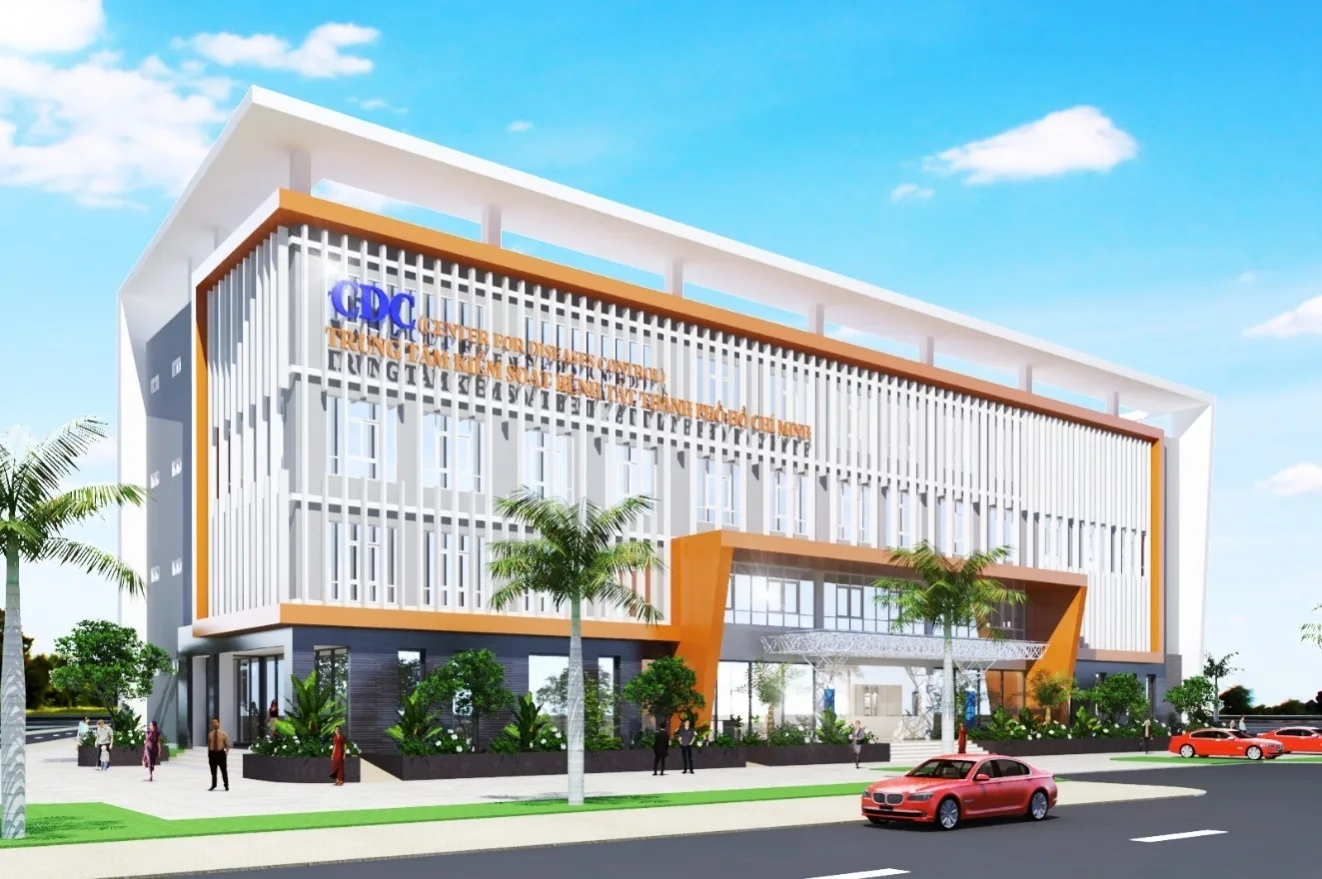
Xử lý nước thải Trung Tâm Y Tế Dự Phòng Thành Phố
MBR Membrane Technology
MBR (Membrane Bioreactor) technology is widely recognized as one of the most advanced solutions for hospital and healthcare wastewater treatment.
Operating Principle
MBR combines:
- Biological treatment
- Membrane filtration
Each membrane module consists of thousands of hollow fibers with microscopic pores that effectively retain suspended solids, bacteria and biomass.
Advantages of MBR Technology
- Complete biomass retention
- Excellent pathogen removal
- Superior effluent quality
- Reduced treatment footprint
- Stable operation and performance
Following membrane filtration, treated wastewater achieves a very high level of quality before entering the disinfection stage.
Disinfection Tank
Effluent from the MBR system is disinfected using chlorine solution.
Purpose
- Eliminate pathogenic bacteria
- Destroy viruses
- Ensure environmental safety
After disinfection, the treated wastewater complies with applicable discharge regulations.
Odor Control System
Odorous gases may be generated from:
- Equalization tanks
- Anaerobic tanks
- Sludge storage tanks
These gases are captured through an air extraction system.
Odor Treatment Tower
The collected air is treated to remove:
- Hydrogen Sulfide (H₂S)
- Ammonia (NH₃)
- Other odor-causing compounds
before being safely discharged into the atmosphere.
Common Medical Wastewater Treatment Technologies
AAO Technology
Consists of:
- Anaerobic Zone
- Anoxic Zone
- Oxic Zone
Highly effective for nitrogen and phosphorus removal.
Activated Sludge Technology
Uses aerobic microorganisms to degrade organic contaminants.
MBR Technology
The preferred solution for modern hospitals and healthcare facilities due to its superior treatment efficiency and compact design.
Trickling Filter Technology
Suitable for small-scale healthcare facilities with lower wastewater volumes.
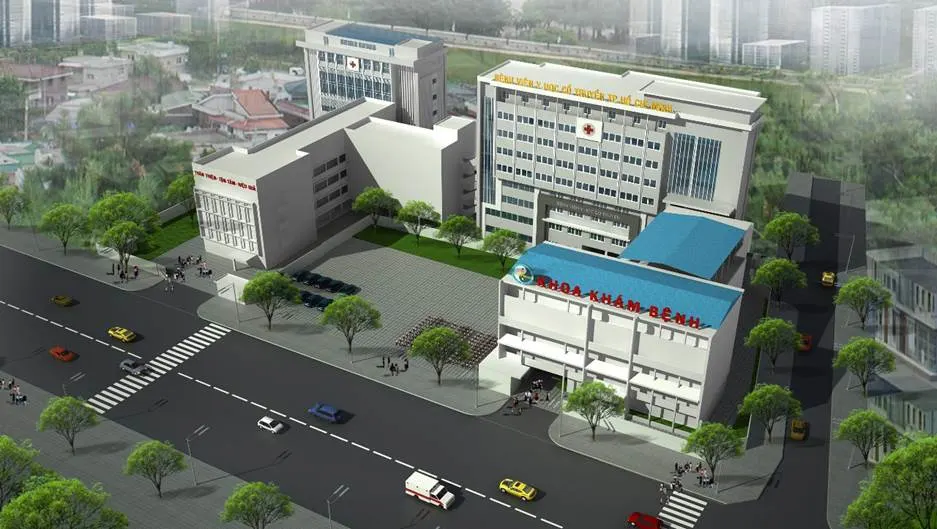
Xử lý nước thải Bệnh Viện Y Học Cổ Truyền
Advantages of Viet Water Medical Wastewater Treatment Systems
Compliance with QCVN 28:2010/BTNMT Column A
Meeting stringent environmental discharge requirements for medical wastewater.
High Treatment Efficiency
Effective removal of:
- BOD
- COD
- TSS
- Ammonia
- Pathogenic microorganisms
Space-Saving Design
Ideal for:
- Hospitals
- Clinics
- Urban healthcare facilities
Automated Operation
Reducing labor requirements and improving operational stability.
Cost-Effective Performance
Optimized energy consumption and chemical usage.
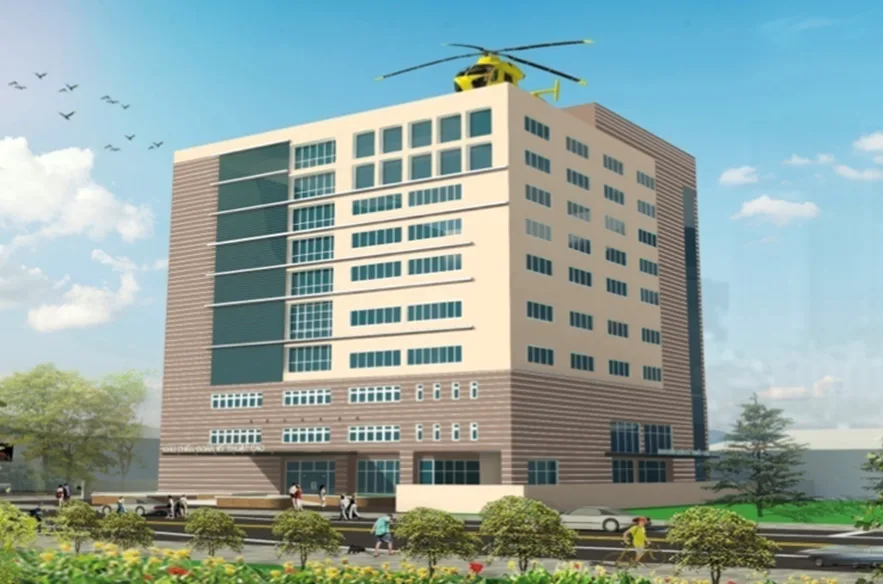
Xử lý nước thải Bệnh Viện Nhân Dân 115
Viet Water Medical Wastewater Treatment Services
Consulting and Design
- Site assessment
- Wastewater analysis
- Technology selection
- Process design
Construction and Installation
- Civil works
- Equipment installation
- System commissioning
Operation and Maintenance
- Operator training
- Preventive maintenance
- Effluent quality monitoring
System Upgrading and Expansion
- Capacity enhancement
- MBR technology integration
- Performance optimization
Contact Information
VIET WATER JOINT STOCK COMPANY
Address: 345 Pham Van Bach Street, Ward 15, Tan Binh District, Ho Chi Minh City, Vietnam
Email: Info@vietwaterjsc.com
Website: vietwaterjsc.com
Telephone: (+84) 28 6272 4888
Hotline: (+84) 904 506 065
Viet Water – Your Trusted Partner for Medical and Hospital Wastewater Treatment
With an experienced team of environmental engineers and advanced MBR technology, Viet Water delivers safe, efficient and sustainable medical wastewater treatment solutions that fully comply with environmental regulations and healthcare industry requirements.