
Overview of Factory Wastewater Treatment
Industrial production processes generate significant volumes of wastewater containing organic pollutants, suspended solids, oils, grease, chemicals, heavy metals and pathogenic microorganisms. Without proper treatment, these contaminants can severely impact the environment, public health and regulatory compliance.
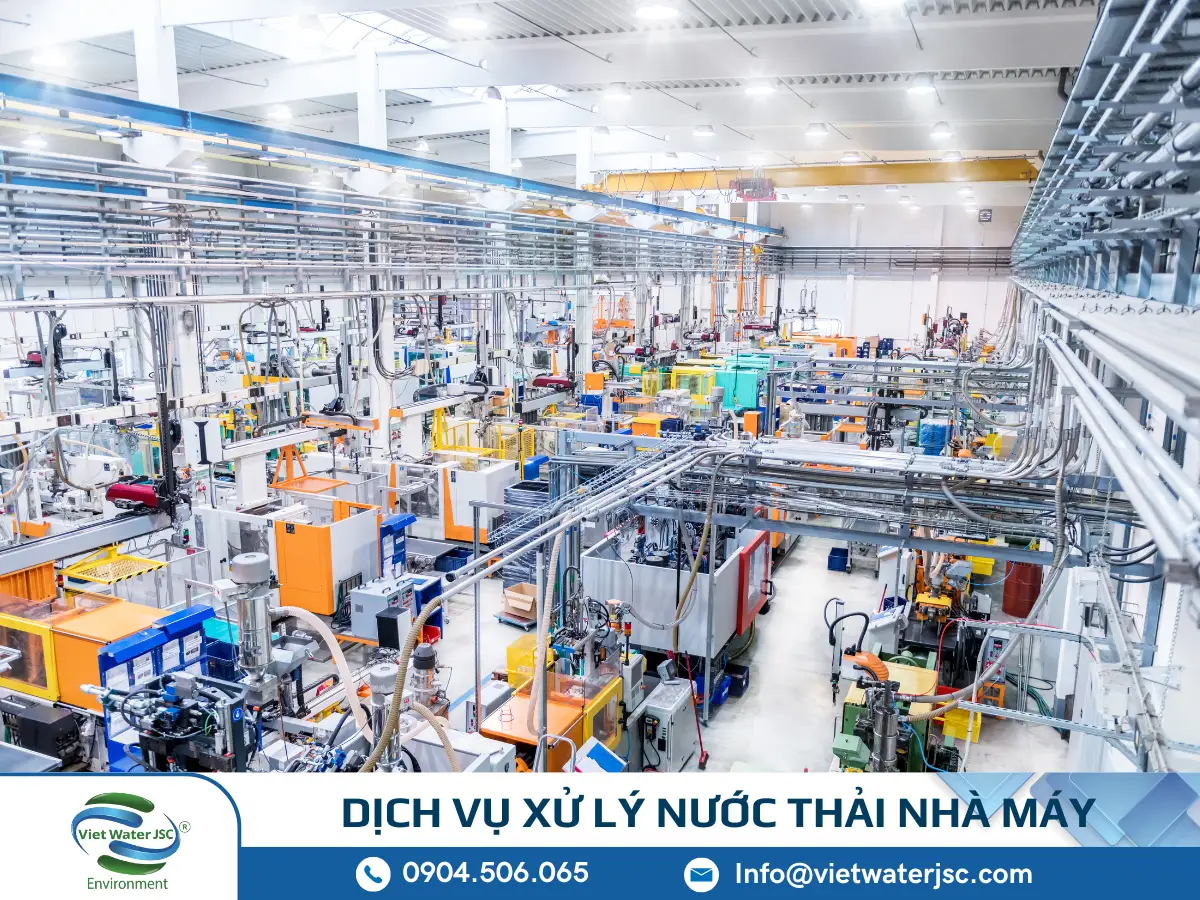
VIET WATER JOINT STOCK COMPANY (VIET WATER JSC) specializes in consulting, designing, constructing, operating and upgrading factory wastewater treatment systems using advanced technologies such as AAO, MBBR, SBR, MBR, UF and RO to meet the treatment requirements of various industries.
What Is Factory Wastewater?
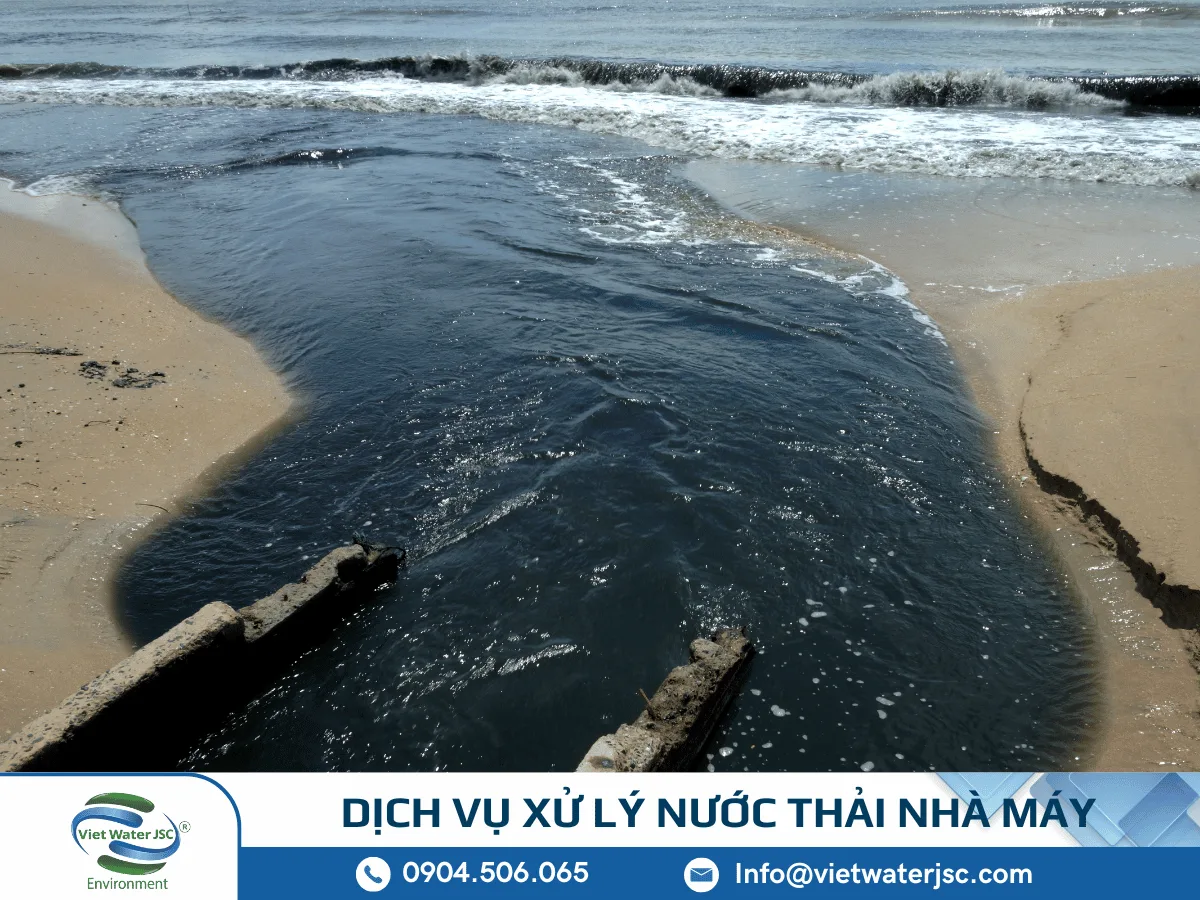
Factory wastewater is generated from manufacturing activities, equipment cleaning, cooling systems, raw material washing and other supporting operations within industrial facilities.
Depending on the industry, wastewater may contain:
- Organic pollutants (BOD, COD)
- Oils and grease
- Suspended solids (TSS)
- Nitrogen and phosphorus compounds
- Heavy metals
- Toxic chemicals
- Pathogenic microorganisms
Basic Components of a Factory Wastewater Treatment System
An industrial wastewater treatment plant typically consists of multiple treatment units designed according to wastewater characteristics and treatment objectives.
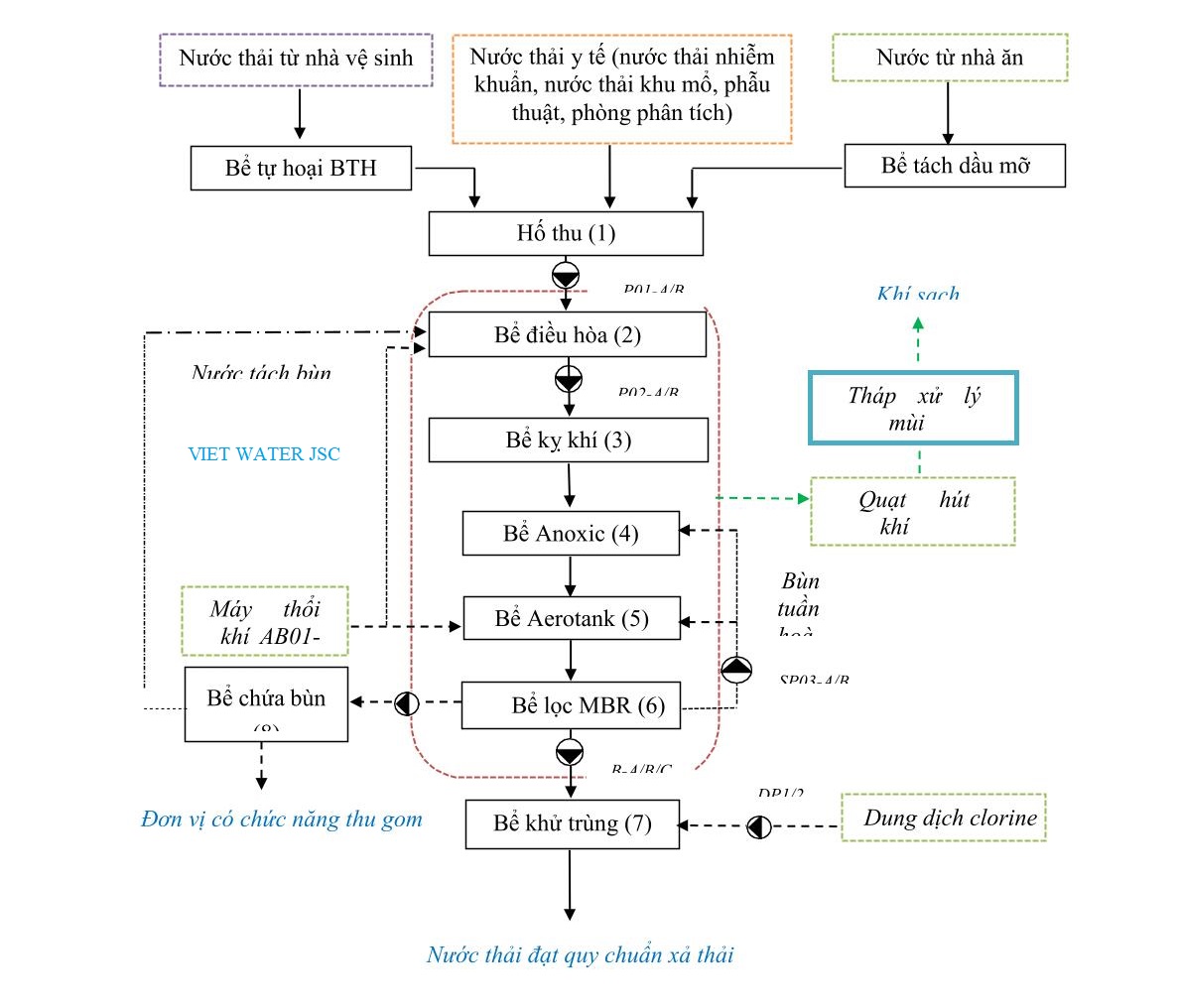
Collection Pit
Receives and collects all wastewater streams generated within the factory before treatment.
Equalization Tank
The equalization tank functions to:
- Balance flow fluctuations
- Stabilize pollutant concentrations
- Prevent shock loading
This unit is essential for maintaining stable system operation.
Sedimentation Tank
Removes:
- Suspended solids
- Settleable particles
Reducing the load on downstream biological treatment processes.
Biological Treatment Tank
Uses microorganisms to biologically degrade organic pollutants present in wastewater.
Filtration Equipment
Removes residual suspended particles and contaminants remaining after biological treatment.
Disinfection Tank
Destroys harmful bacteria and pathogens before wastewater discharge.

What Pollutants Can a Factory Wastewater Treatment System Remove?
Suspended Solids (TSS)
Including:
- Soil
- Sand
- Sludge
- Industrial particulates
Organic Pollutants
Such as:
- Oils and grease
- Starch
- Proteins
- Organic compounds generated during production
Inorganic Pollutants
Including:
- Heavy metals
- Inorganic salts
- Acids
- Alkalis
Microorganisms
Such as:
- Bacteria
- Viruses
- Fungi
- Parasites
Hazardous Chemicals
Industrial chemicals that may pose risks to human health and the environment if discharged untreated.
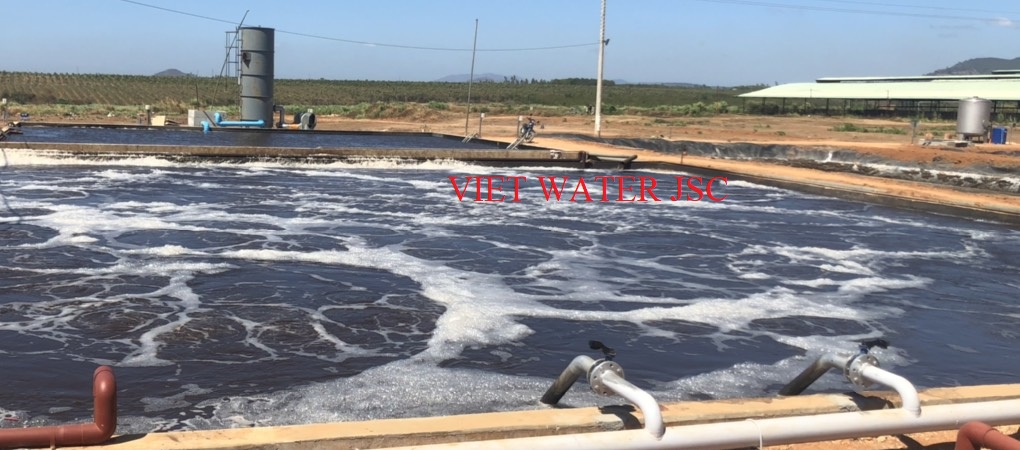
Factory Wastewater Treatment Process
Preliminary Treatment Stage
Wastewater passes through:
- Bar screens
- Basket screens
- Oil and grease separators
to remove large debris and floating materials.
Primary Treatment Stage
Wastewater enters sedimentation tanks where suspended solids and settleable materials are separated.
This stage significantly reduces the pollutant load entering biological treatment.
Biological Treatment Stage
This is the most critical process within the treatment system.
Anaerobic Tank
Anaerobic microorganisms degrade high-strength organic pollutants without oxygen.
Anoxic Tank
Removes nitrogen compounds through the denitrification process.
Aerotank
Aerobic microorganisms utilize oxygen to remove organic matter and ammonia from wastewater.
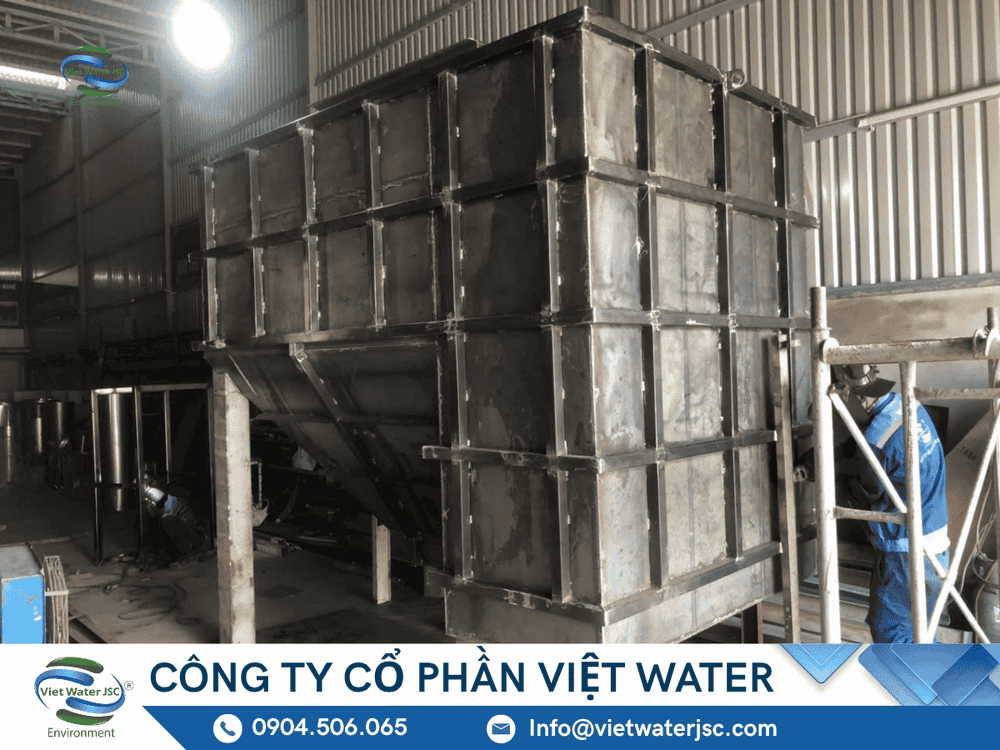
MBR Technology in Factory Wastewater Treatment
According to Viet Water’s advanced treatment process, wastewater from the Aerotank is directed to an MBR (Membrane Bioreactor) system.
Advantages of MBR Technology
- Complete separation of biological sludge
- Superior effluent quality
- Reduced construction footprint
- Lower infrastructure requirements
- Potential for water reuse applications
The MBR membrane acts as an ultra-filtration barrier that retains biomass and suspended solids within the treatment system.
Disinfection Process
Following biological treatment, wastewater is disinfected using:
- Chlorine
- Ultraviolet (UV) systems
- Ozone
to eliminate harmful microorganisms before discharge.
Sludge Treatment
Excess biological sludge is collected in a sludge holding tank.
The sludge is then:
- Dewatered
- Collected
- Transported by licensed waste management contractors
for proper disposal or treatment.
Wastewater Treatment Technologies Applied by Viet Water
Biological Treatment Technologies
- Aerotank
- AAO (Anaerobic-Anoxic-Oxic)
- MBBR (Moving Bed Biofilm Reactor)
- SBR (Sequencing Batch Reactor)
- MBR (Membrane Bioreactor)
Physicochemical Treatment Technologies
- Coagulation
- Flocculation
- Dissolved Air Flotation (DAF)
- pH Neutralization
Membrane Treatment Technologies
- UF (Ultrafiltration)
- MBR (Membrane Bioreactor)
- RO (Reverse Osmosis)
Water Reuse Technologies
The combination of UF and RO technologies allows treated wastewater to be reused for:
- Equipment cleaning
- Cooling systems
- Irrigation
- Industrial production support
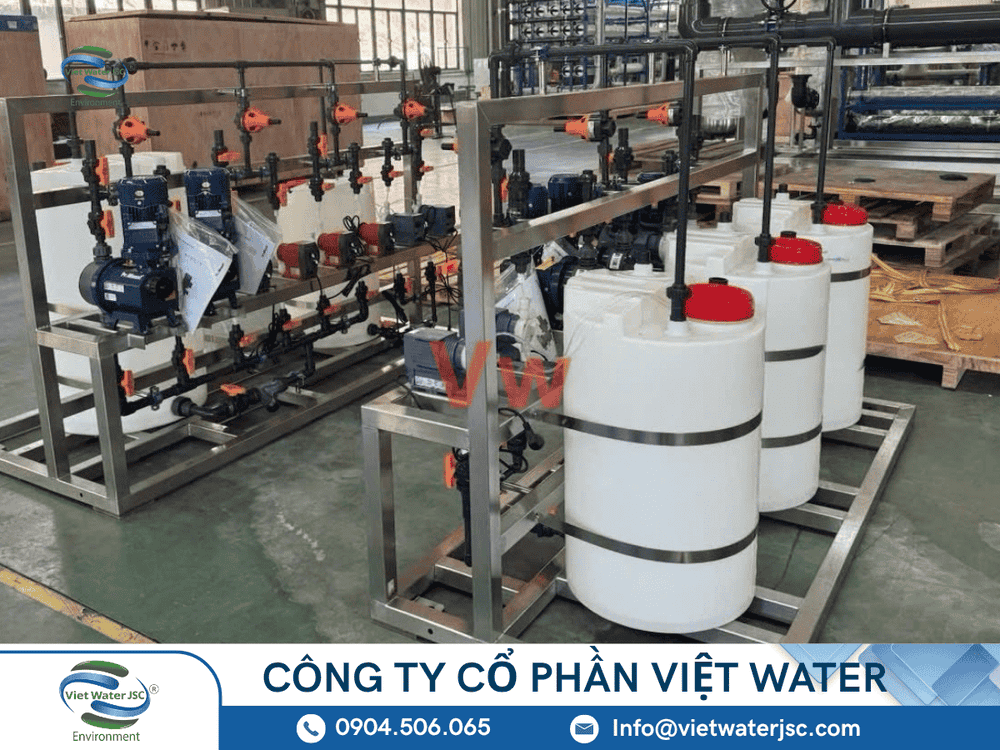
Odor Control Systems for Industrial Wastewater Treatment Plants
Odors commonly originate from:
- Equalization tanks
- Anaerobic treatment units
- Sludge storage tanks
Viet Water integrates advanced odor control solutions including:
Air Extraction Systems
Collect odorous gases directly at the source.
Odor Treatment Towers
Using technologies such as:
- Activated carbon adsorption
- Chemical scrubbers
- Biological filtration (Biofilter)
These systems effectively remove odors before releasing clean air into the environment.

Factory Wastewater Treatment Services by Viet Water
Consulting and Engineering Design
- Site investigation
- Wastewater sampling and analysis
- Technology selection
- Detailed engineering design
Construction and Installation
- Civil construction works
- Equipment installation
- Electrical and automation systems
- Commissioning and performance testing
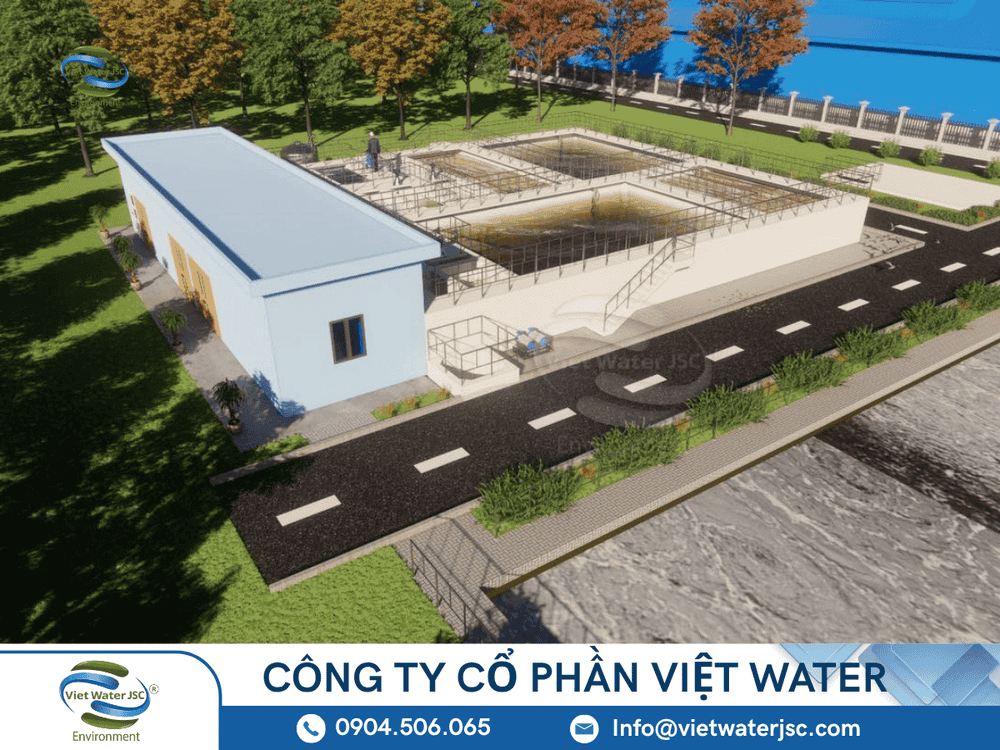
Operation and Maintenance
- Operator training
- Process monitoring
- Preventive maintenance services
System Upgrading and Expansion
- Capacity enhancement
- Integration of MBR, UF and RO technologies
- Operational cost optimization
Why Choose Viet Water?
Experienced Engineering Team
A team of highly qualified environmental engineers with extensive industry experience.
Advanced Technologies
Application of modern treatment technologies including:
- MBR
- MBBR
- SBR
- UF
- RO
Cost-Effective Solutions
Customized designs tailored to the specific requirements of each industry.
Comprehensive Turnkey Services
- Consulting
- Design
- Construction
- Operation
- Maintenance
- Technology Transfer
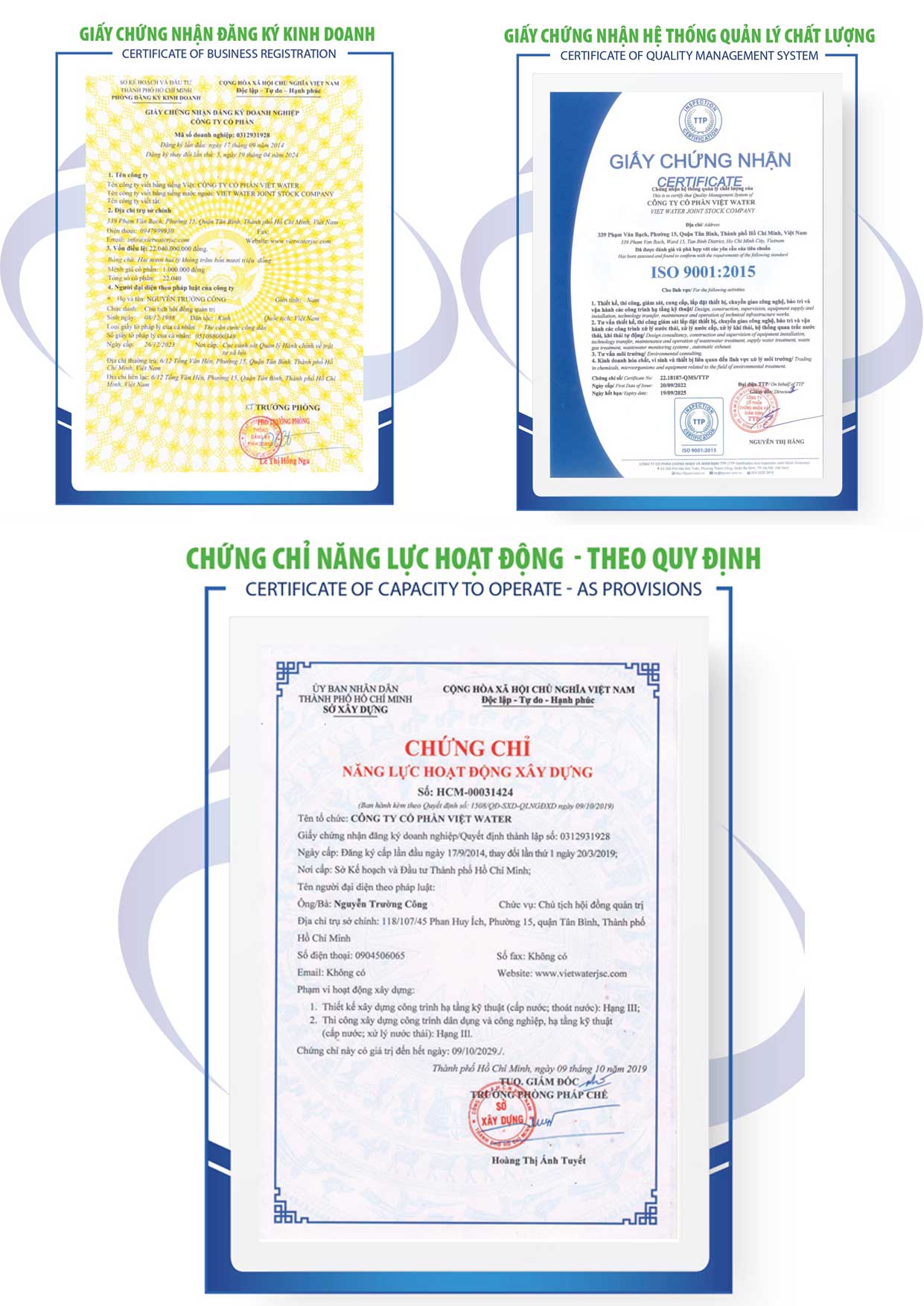
Contact Information
VIET WATER JOINT STOCK COMPANY
Address: 345 Pham Van Bach Street, Ward 15, Tan Binh District, Ho Chi Minh City, Vietnam
Email: Info@vietwaterjsc.com
Website: vietwaterjsc.com
Telephone: (+84) 28 6272 4888
Hotline: (+84) 904 506 065
Viet Water – Your Trusted Partner for Industrial Wastewater Treatment
Viet Water is committed to delivering efficient, reliable and environmentally compliant wastewater treatment solutions that help industrial facilities achieve sustainable development while optimizing investment and operating costs.